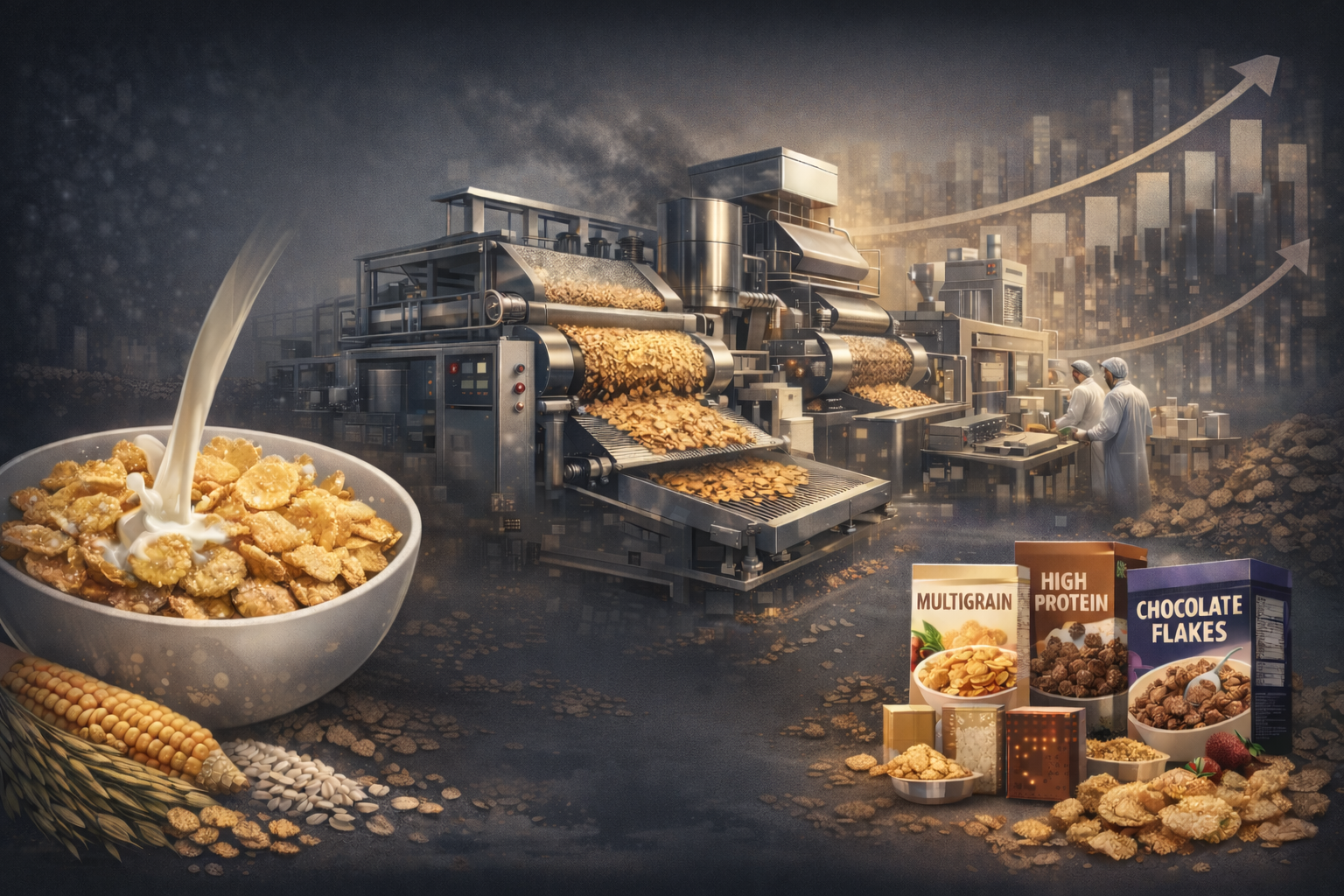
Cereal Flakes Production is no longer a simple food manufacturing activity. It has evolved into a high-demand industrial sector driven by global breakfast trends, health-conscious consumers, and private-label expansion.
For investors and manufacturers, success in cereal flakes production depends not only on machinery, but on strategic planning, process stability, and intelligent operational design.
Today, competitive advantage comes from consistency, cost control, product differentiation, and the ability to scale without compromising quality.
 Understanding the Core Process
While profitability drives investment decisions, understanding the technical foundation of cereal flakes production is essential for long-term stability.
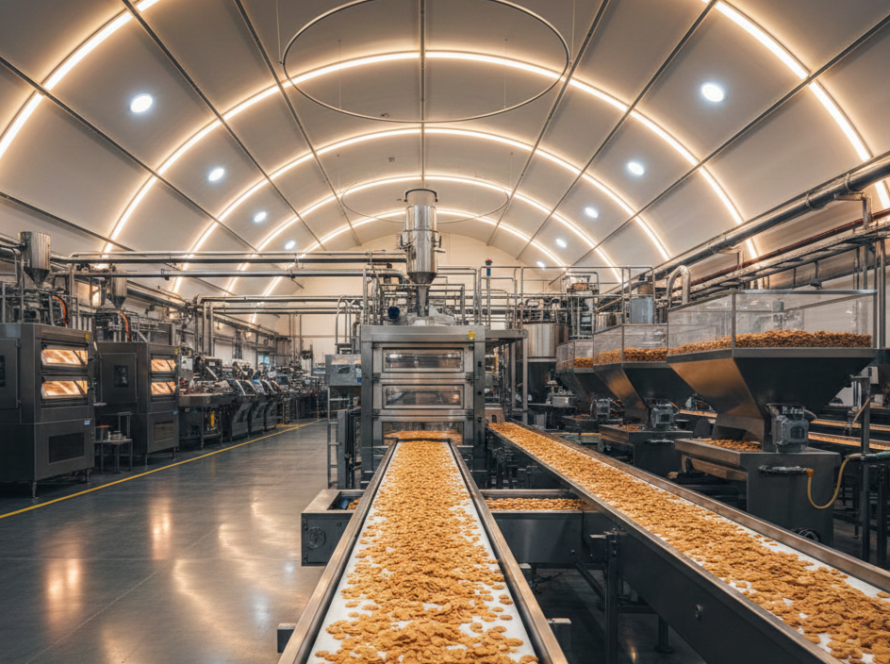
The industrial process typically includes:
• Raw grain selection and cleaning (corn, wheat, rice, oats)
• Cooking and thermal conditioning
• Flaking through precision roller systems
• Toasting and controlled moisture reduction
• Optional coating or nutritional fortification
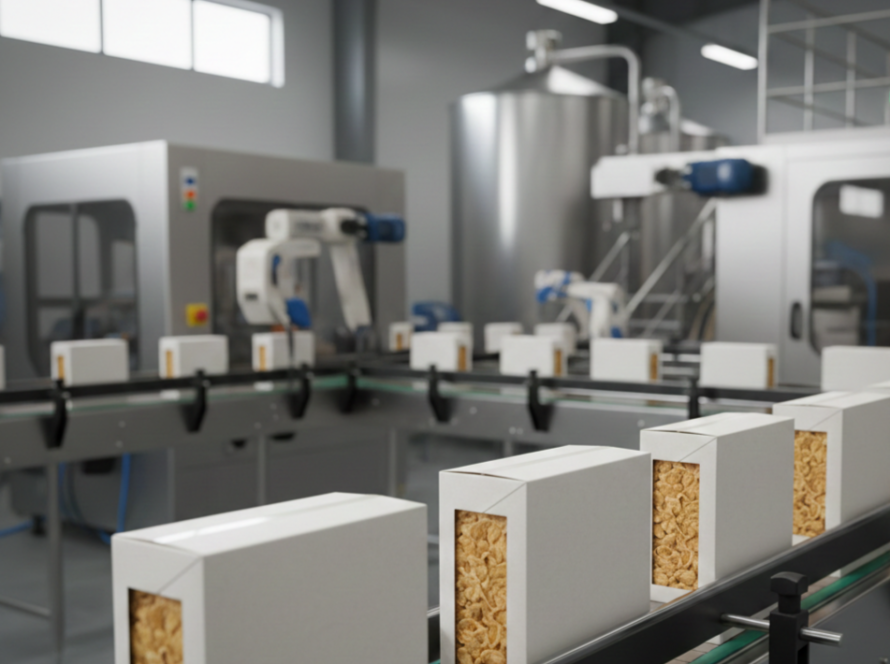
• Automated packaging and sealing
Key performance indicators include:
• Final moisture content (2–4%)
• Uniform flake thickness
• Stable bulk density
• Long-lasting crispness
• Microbiological safety compliance
The real competitive advantage does not lie in the presence of these stages, but in how accurately they are controlled and integrated within the overall production ecosystem.
Why Many Cereal Flakes Projects Underperform
Many facilities invest heavily in equipment but overlook strategic planning.
Common weaknesses include:
• Poor alignment between raw material quality and line configuration
• Inconsistent moisture management
• Overestimated production capacity
• Limited automation integration
• Absence of clear product positioning
The result is unstable texture, reduced shelf life, increased waste, and shrinking profit margins.
Cereal flakes production must be engineered, not improvised.
 What Makes Cereal Flakes Production Profitable?
Smart Line Design
A successful plant is designed around:
• Target production capacity
• Energy efficiency
• Labor optimization
• Smooth production flow
• Future scalability
Correct design at the beginning prevents costly adjustments later.
Moisture and Texture Stability
Crispness defines consumer acceptance.
Improper drying or conditioning leads to:
• Soft or fragile flakes
• Shortened shelf life
• Retail rejection
• Brand reputation damage
Precise environmental control ensures quality consistency and long-term market trust.
Automation and Process Monitoring
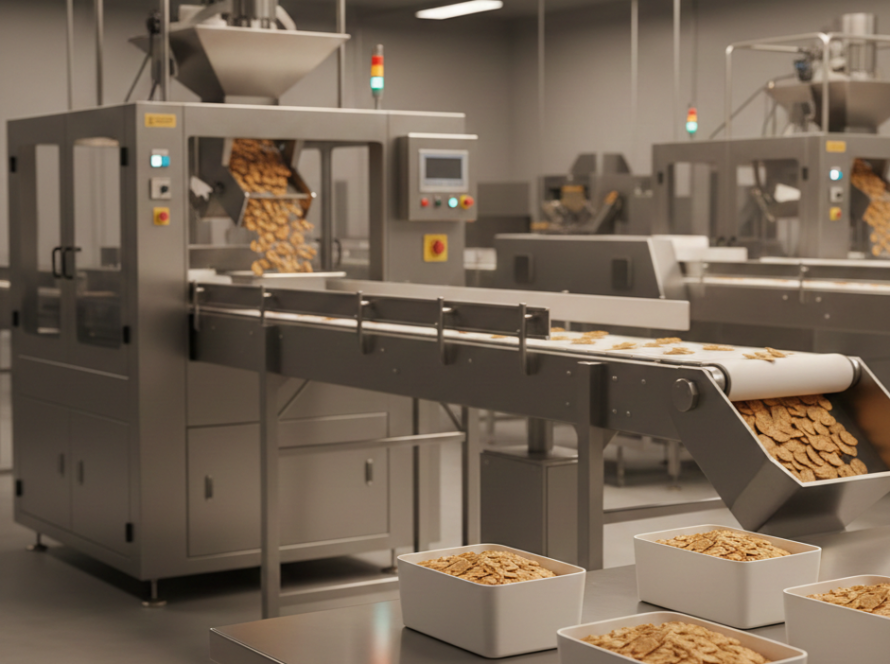
Modern cereal flakes production relies on:
• Real-time monitoring systems
• Automated thickness and moisture control
• Data-driven quality tracking
• Predictive maintenance systems
Automation is not an added expense, it is a profitability tool that reduces risk and increases output reliability.
Product Diversification Strategy
Thriving manufacturers rarely depend on a single product.
High-performing operations expand into:
• Multigrain flakes
• Fortified breakfast cereals
• Honey or chocolate-coated variants
• High-fiber or protein-enhanced lines
• Private label production
Diversification strengthens market position and protects margins.
 Market Opportunity: Why Invest Now?
Global demand for ready-to-eat cereals continues to grow due to:
• Urban lifestyle changes
• Demand for convenient breakfast solutions
• Rising health awareness
• Expansion of modern retail chains
• Growth of export-driven food brands
Cereal flakes production aligns with scalable, long-term industrial investment strategies.
The market rewards stable and efficient producers, not average ones.
Risk Reduction Through Strategic Planning
Entering cereal flakes production without structured planning can lead to:
• Capital inefficiency
• Extended return-on-investment cycles
• Operational instability
• Export compliance challenges
• Competitive disadvantages
Strategic planning transforms uncertainty into measurable growth.
The ProNano Approach to Cereal Flakes Production
At ProNano, we approach cereal flakes production as a fully integrated industrial system, not merely a processing line.
Our focus includes:
• Feasibility analysis and ROI modeling
• Line configuration optimization
• Moisture and thermal balance validation
• Production flow engineering
• Cost-per-ton calculation strategies
• Food safety integration (HACCP & ISO 22000 readiness)
• Scalability planning for future expansion
At ProNano, we work closely with manufacturers to transform cereal flakes production into a stable, competitive, and export-ready operation.
The goal is not only to produce flakes, but to build a resilient industrial framework capable of long-term profitability.
Competitive Advantage in a Saturated Market
In competitive markets, differentiation depends on:
• Texture consistency
• Nutritional positioning
• Packaging innovation
• Operational efficiency
• Cost control per production cycle
Cereal flakes production must combine engineering precision with market intelligence.
Manufacturers who integrate both consistently outperform competitors.
Strategic Conclusion
Cereal flakes production represents a powerful opportunity within the global food industry, when approached strategically.
Manufacturers who invest in structured line design, advanced process control, intelligent diversification, and data-driven optimization achieve:
• Higher operational efficiency
• Reduced production waste
• Stronger brand positioning
• Extended shelf life stability
• Sustainable profitability
In a market driven by consistency and speed, success belongs to those who engineer performance from day one.
Ready to elevate your cereal flakes production strategy?
Connect with ProNano to design, optimize, and scale your industrial cereal operation with confidence.
Read more about Corn Chips Industry.