Food innovation is increasingly shifting away from traditional thinking that focuses only on ingredients, flavor, or nutritional composition. In modern industrial food development, structure is becoming equally important because it directly influences how a product behaves during preparation and consumption. Self-Aerating Food Systems represent a new direction in this transformation. These systems are designed to generate internal aeration through formulation-driven mechanisms, meaning the product is engineered to create its own structural change rather than relying on external whipping or gas injection. This creates a dynamic texture experience that evolves during use. The importance of this approach is growing across functional foods, beverages, protein systems, and experience-oriented nutrition products where sensory performance is now a key factor in commercial success.
Why Self-Aerating Systems Matter in Food Industry
The food industry is under constant pressure to improve both nutritional performance and sensory quality at the same time. This is particularly challenging in products that are high in protein, reduced in sugar, or enriched with functional ingredients.
Many of these products tend to suffer from dense texture, weak mouthfeel, or poor solubility, even when their nutritional profile is strong.
This creates a gap between nutritional design and consumer acceptance.
Self-aerating systems help address this gap by modifying internal structure instead of increasing formulation density. This allows manufacturers to improve perceived lightness and texture without compromising nutritional goals.
The growing interest in this technology is linked to several industry drivers:
• Demand for interactive food experiences
• Growth of functional nutrition categories
• Expansion of premium texture-driven products
• Shift toward experience-based consumption
What Are Self-Aerating Food Systems
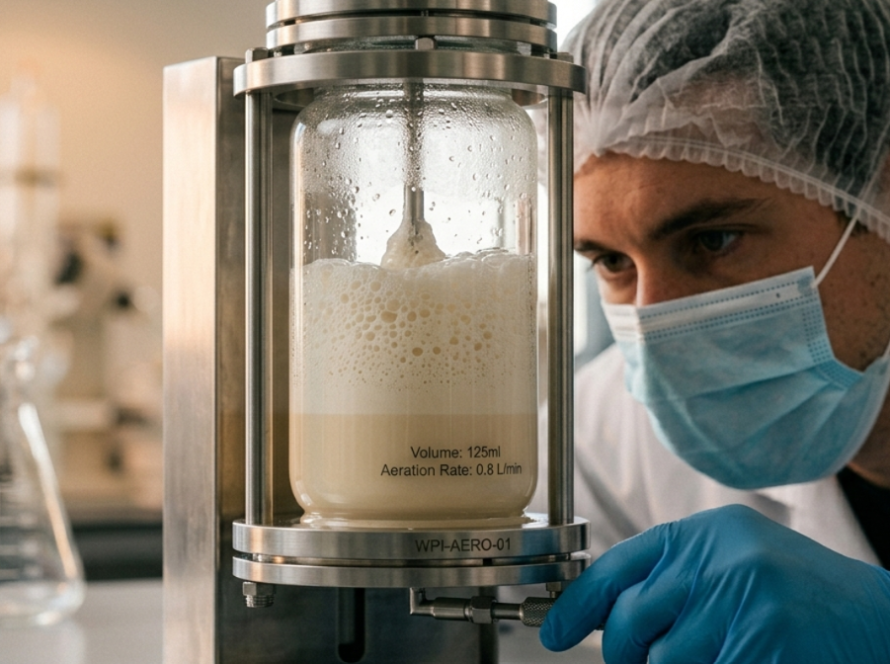
Self-Aerating Food Systems are engineered food structures that generate internal aeration during processing or consumption through controlled chemical, physical, or structural mechanisms.
Unlike conventional aerated products where air is mechanically incorporated, these systems are designed to produce aeration internally as part of the formulation behavior.
The main objective is not only foam formation but also controlled modulation of texture and sensory experience, including:
• Texture lightness
• Mouthfeel behavior
• Volume perception
• Structural breakdown during consumption
This makes them relevant for both functional and premium food applications.
Core Mechanisms Behind Self-Aeration
Controlled Gas Release Systems
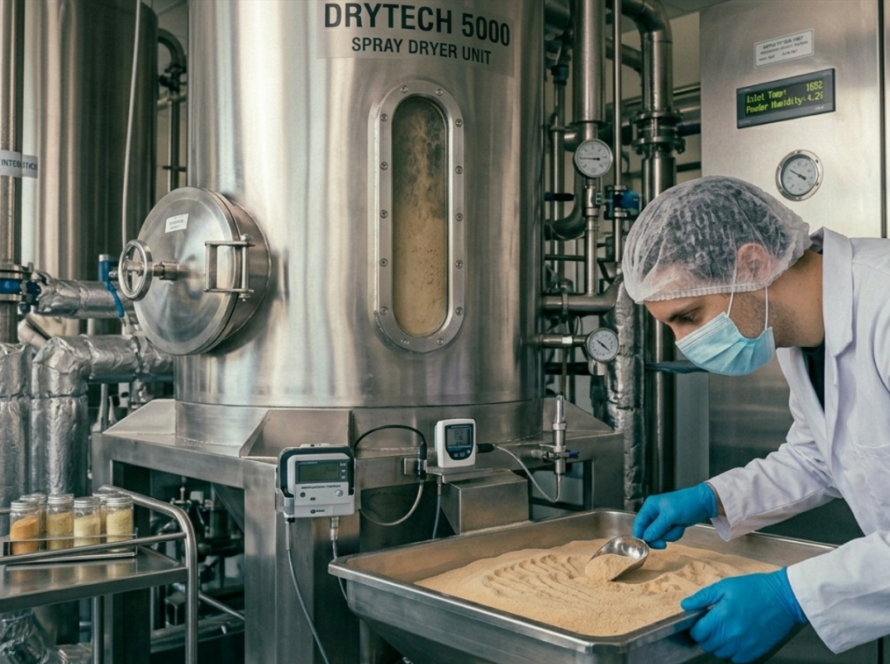
Some formulations generate gas through controlled reactions that activate during hydration or consumption. These systems are commonly used in instant food applications where activation occurs at the point of use.
Encapsulated Reactive Ingredients
Encapsulation technology is used to isolate reactive compounds until a specific trigger is applied. This improves stability during storage and allows controlled aeration during preparation.
Thermal Activation Systems
In some cases, heat acts as the trigger for structural expansion. This mechanism is widely used in bakery systems and instant meal formats.
Pressure Responsive Structures
Advanced systems can respond to mechanical pressure during chewing, leading to texture transformation during consumption rather than preparation.
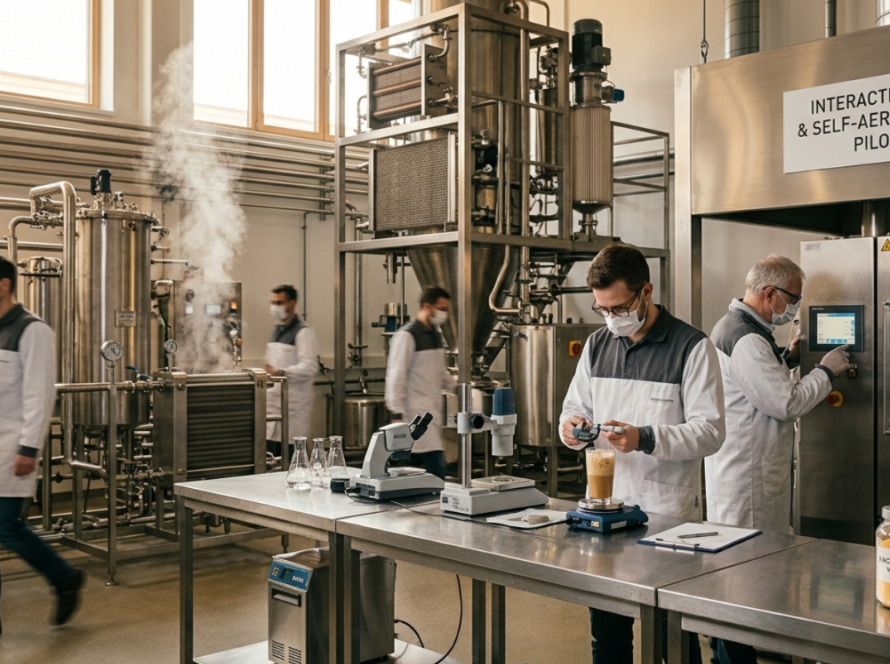
Industrial Applications of Self-Aerating Systems
Functional Beverages
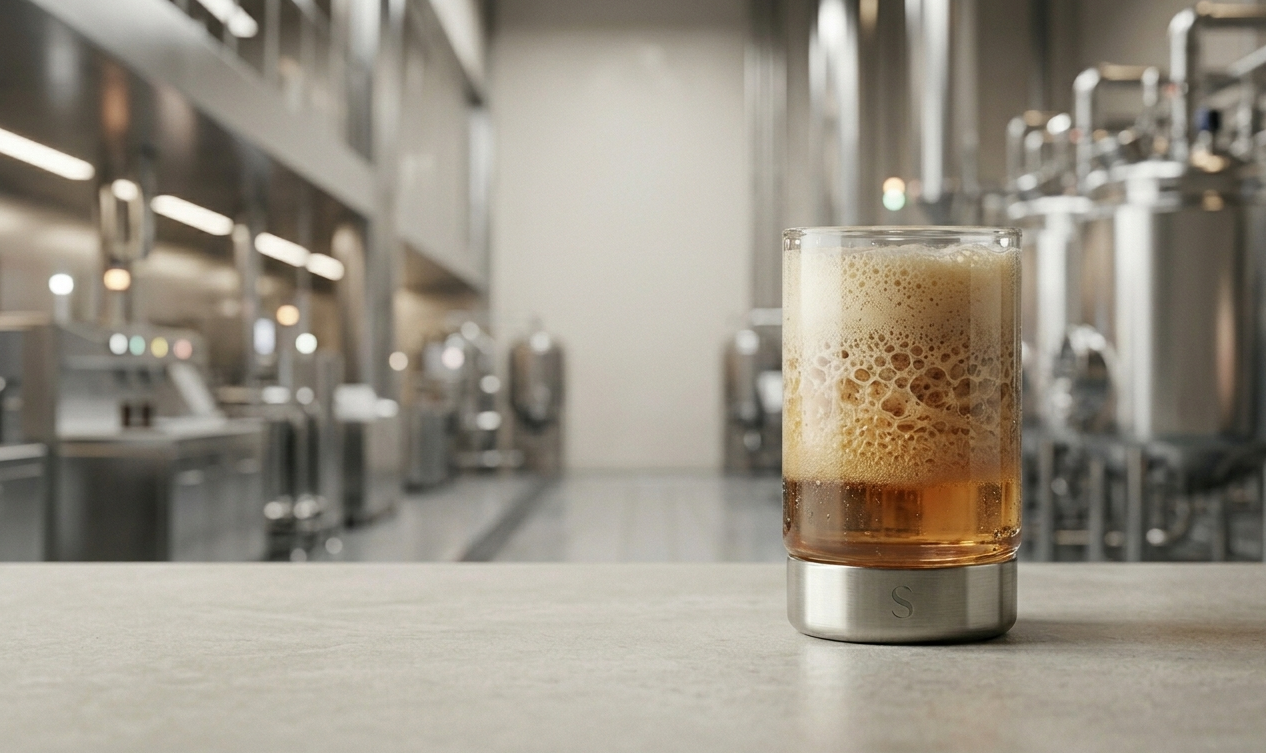
Self-aerating systems are increasingly explored in liquid formulations to improve sensory perception and drinkability. Applications include protein beverages, functional hydration drinks, botanical RTD systems, and nutritional wellness drinks. The goal is to create a lighter sensory experience without reducing functional density.
Protein Based Systems
High-protein products often face challenges such as chalky texture or heavy mouthfeel. Controlled aeration can significantly improve smoothness and overall sensory balance.
Satiety Oriented Products
Structural expansion can influence perceived fullness by modifying oral processing time and volume perception, supporting satiety-focused product development.
Instant and Interactive Foods
Self-aerating technologies are particularly suitable for products designed around transformation during preparation or consumption, such as instant foaming powders, reactive desserts, functional snacks, and dissolvable nutrition systems.
Processing and Manufacturing Considerations
From an industrial perspective, Self-Aerating Food Systems require precise control over formulation and processing conditions. Small variations can significantly impact final structural behavior.
Key processing factors include:
• Mixing intensity
• Homogenization pressure
• Particle size distribution
• Thermal exposure
• Ingredient interaction timing
• Moisture control
Technologies such as spray drying and freeze drying are often used to create structured powders with controlled rehydration and expansion properties.
Stability and Shelf Life Challenges
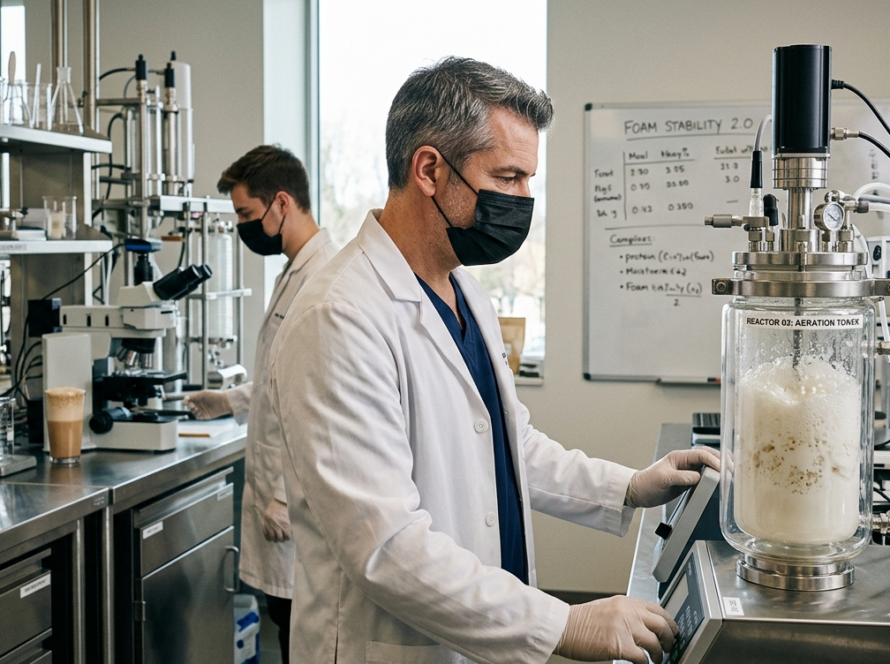
One of the major challenges in these systems is maintaining stability over time. Because these formulations are inherently reactive, environmental conditions play a critical role in performance.
Key stability issues include:
• Moisture sensitivity
• Structural collapse behavior
• Gas retention stability
• Ingredient reactivity control
Even minor exposure to humidity or temperature fluctuations can affect performance before consumption. As a result, packaging becomes part of the functional design system rather than just protection.
Sensory and Consumer Experience
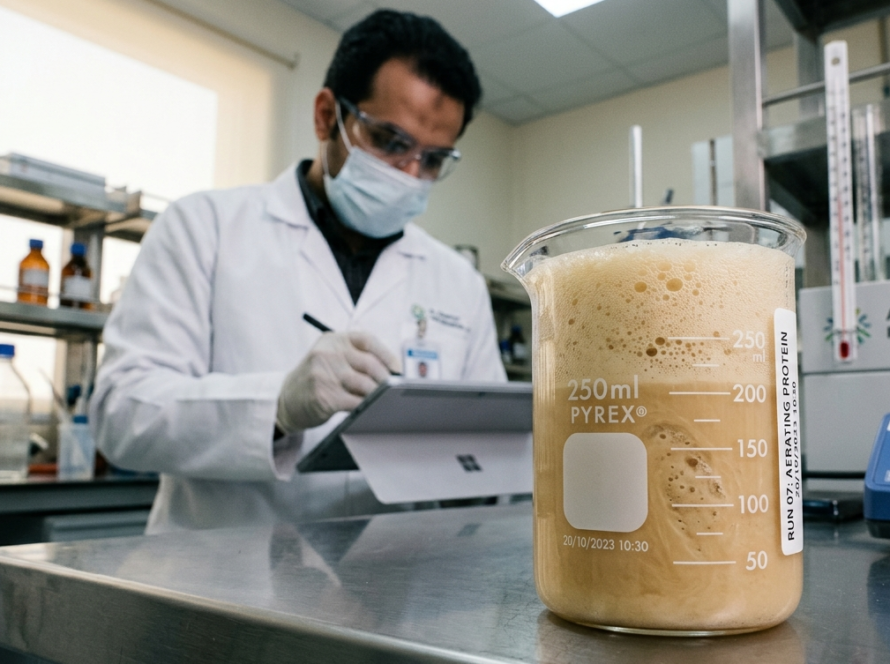
Even when technical performance is achieved, commercial success depends heavily on sensory acceptance. Consumers evaluate
products based on how they feel during consumption rather than how they are formulated.
Key sensory factors include:
• Foam perception
• Mouthfeel smoothness
• Structural breakdown behavior
• Texture familiarity
• Consumption comfort
There is always a balance between innovation and familiarity. If the texture feels too unusual, acceptance may decrease despite functional benefits.
Market Opportunity and Commercial Relevance
Self-aerating systems align with several key trends shaping the modern food industry, including increasing demand for interactive products, growth in functional nutrition, and expansion of premium sensory-driven categories.
These systems are particularly relevant in markets where product differentiation is driven by sensory innovation rather than only nutritional claims.
Future of Self-Aerating Food Systems
Future development is expected to focus on improving predictability, scalability, and structural control. Advances in encapsulation, precision processing, and data-driven formulation design will enhance industrial applicability.
Emerging directions include AI-assisted formulation, smart encapsulation systems, and adaptive structural food engineering approaches.
Over time, food design is expected to move further toward structural intelligence, where behavior and interaction become as important as composition.
Conclusion
Self-Aerating Food Systems represent a fundamental shift in food design, where structure becomes an active functional element rather than a passive outcome. This approach enables new levels of control over texture, sensory behavior, and consumption experience.
As the industry continues to evolve, structural engineering is becoming a key driver of innovation in functional and premium food categories.
Contact ProNano to explore how self-aerating food systems can be applied in next-generation functional foods, texture engineering, and industrial-scale product development.
Read more about Edible Satiety Aerogel Foams.