Electrolyte alternatives are becoming an increasingly relevant topic as hydration moves beyond its traditional positioning in sports nutrition. Electrolyte beverages have long relied on a familiar formulation logic built around sodium, supporting minerals, and sugars to enable fluid absorption and retention. This approach has proven effective in many use cases. But as the category expands into daily consumption and more complex functional positioning, a more fundamental question begins to emerge: Are traditional electrolyte systems still sufficient to deliver controlled, consistent, and scalable hydration performance?
Why Traditional Electrolyte Systems Are Reaching Their Limits
Most electrolyte beverages are built on a familiar formulation structure:
• Sodium as the primary driver of fluid retention
• Supporting minerals such as potassium and magnesium
• Sugars to enhance absorption and improve palatability
While this framework is technically valid, it comes with limitations.
From a formulation standpoint, high sodium levels can create taste constraints and limit flexibility. Increasing sugar content to mask mineral harshness introduces its own set of challenges, both functionally and nutritionally.
From a processing perspective, these systems are relatively stable but not highly adaptable. Small changes in concentration or ratios can shift both sensory perception and performance.
As more brands enter the space, the result is a landscape of products that are structurally similar, with limited differentiation beyond flavor and positioning.
This is where the concept of electrolyte alternatives becomes relevant, not as replacements, but as new design approaches.
From Electrolytes to Functional Hydration Systems
The key shift is conceptual.
Instead of asking which ingredients to include, formulation is increasingly focused on how the system behaves.
This includes:
• How quickly fluids are absorbed
• How long hydration effects are sustained
• How the system responds to different usage conditions
• How stable the formulation remains over time
Osmolality becomes a central parameter, not just a supporting metric. Absorption kinetics, once considered secondary, now influence formulation decisions directly.
In this context, electrolyte alternatives are better understood as functional systems built around different performance priorities.
1. Amino Acid-Based Hydration Systems
One of the emerging approaches involves the use of amino acids such as glycine or alanine to support hydration.
These systems do not rely solely on traditional electrolyte transport mechanisms. Instead, they introduce alternative absorption pathways that can improve fluid uptake efficiency.
From a formulation standpoint, this can reduce the need for high sugar levels. It also changes the overall sensory profile, often resulting in a smoother taste compared to mineral-heavy systems.
However, amino acid systems introduce new challenges.
They can affect flavor stability over time and may require additional masking strategies. Their interaction with other ingredients also needs careful evaluation during development.
2. Osmolality-Driven Formulation
In traditional electrolyte beverages, osmolality is often adjusted after the formulation is defined.
In newer systems, it becomes a primary design parameter.
The goal is to create a solution that aligns with optimal fluid transport conditions, rather than simply delivering a set concentration of minerals.
This approach requires tighter control during production.
Small deviations in ingredient levels can significantly impact osmolality, which in turn affects hydration efficiency. As a result, measurement and consistency become more critical at the manufacturing level.
3. Controlled Hydration Systems
Not all hydration needs to be immediate.
Controlled hydration systems are designed to deliver fluids gradually over time, supporting sustained performance rather than rapid replenishment.
This can be achieved through:
• Viscosity modification
• Encapsulation techniques
• Use of slow-diffusing components
From an industrial perspective, these systems are more complex.
They may require specialized processing conditions and introduce challenges in maintaining uniformity. Stability can also become more difficult to manage, especially in ready-to-drink formats.
4. Low-Sodium and Balanced Mineral Systems
Reducing reliance on sodium is another direction gaining attention.
While sodium remains effective for fluid retention, high levels can limit product acceptability, particularly in daily-use products.
Alternative approaches include:
• Rebalancing mineral ratios
• Increasing the role of potassium
• Using buffering systems to support fluid balance
These systems often offer improved taste profiles and broader consumer acceptance. However, they require more precise formulation to maintain functional performance.
5. Hybrid Hydration Systems
In practice, many advanced formulations do not rely on a single approach.
Hybrid systems combine elements from multiple strategies, such as:
• Electrolytes with amino acids
• Minerals with functional carbohydrates
• Traditional systems with controlled release components
This allows for greater flexibility in targeting specific performance outcomes.
At the same time, it increases formulation complexity. Ingredient interactions become more difficult to predict, and processing conditions must be carefully optimized to maintain stability and consistency.
Processing Challenges in Next-Generation Systems
As hydration systems become more advanced, processing plays a larger role in determining final performance.
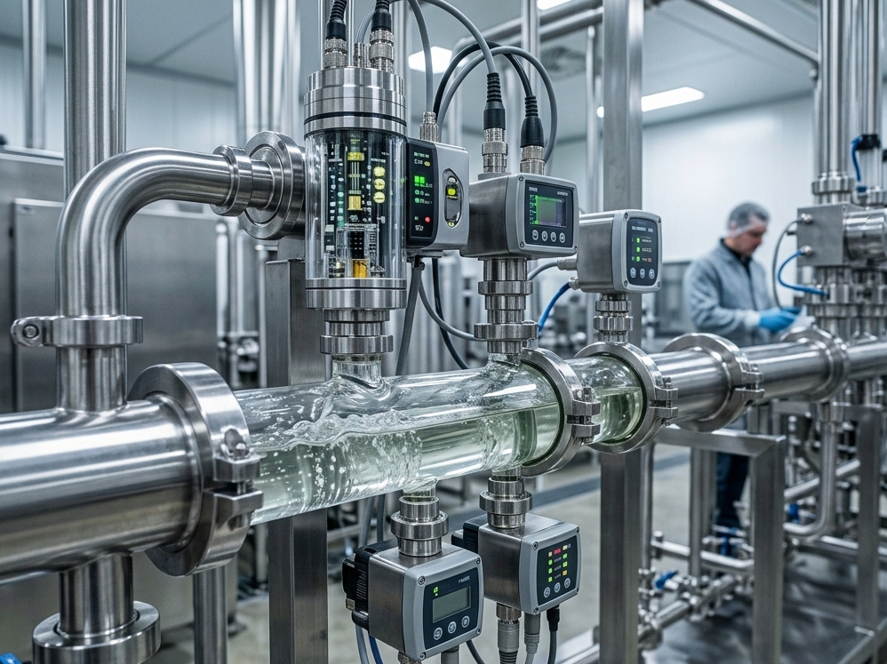
Differences in solubility, mixing behavior, and shear sensitivity can significantly affect how the system develops during production.
Temperature control also becomes more critical, particularly in systems that include sensitive components or structured matrices.
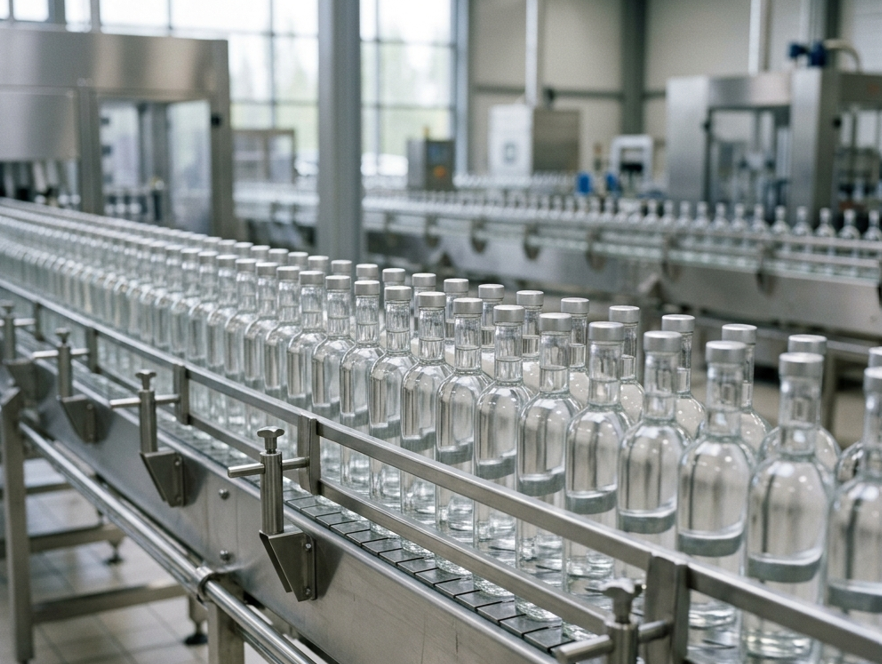
In RTD products, these challenges are amplified. There is no opportunity for post-processing adjustment, which means the formulation must perform as intended from the moment it leaves the production line.
Stability and Shelf Life Considerations
New hydration systems do not always behave like traditional electrolyte beverages.
They may be more sensitive to:
• Phase separation
• Gradual changes in taste
• Interactions between functional components
What appears stable at production may shift over time.
This makes early-stage stability testing essential, particularly when working with hybrid or non-traditional systems.
Quality Control: Expanding the Metrics
Standard quality control parameters are no longer sufficient on their own.
Additional focus is needed on:
• Osmolality as a functional indicator
• Conductivity for mineral consistency
• Sensory stability across shelf life
• Batch-to-batch performance reproducibility
Without these measurements, it becomes difficult to validate whether a system is delivering consistent hydration performance.
Market Direction: From Products to Systems
The shift toward electrolyte alternatives reflects a broader change in the market.
Hydration is no longer defined by a product category, but by system performance.
Manufacturers that continue to rely on conventional formulation logic may find it increasingly difficult to differentiate.
Those who approach hydration as a controllable, measurable system are more likely to develop products that perform
consistently under real-world conditions.
Conclusion
Electrolyte beverages are not becoming obsolete.
But they are no longer the only framework for functional hydration.
Electrolyte alternatives represent a shift toward more controlled, system-driven approaches where formulation, processing, and stability are tightly aligned.
The challenge is not to replace electrolytes, but to understand when and how different systems can deliver better performance.
This is where meaningful innovation begins.
If you are currently developing or optimizing hydration systems and exploring electrolyte alternatives:
Contact ProNano to evaluate your formulations and identify practical ways to improve industrial performance and product consistency.
Read more about Electrolyte Beverages: From Simple Hydration to Industrial Stability.