Can the growing demand for sustainable and ethical food choices be met by the rising trend of plant-based dairy alternatives?
As more people look for vegan dairy alternatives, we’re here to help. We offer expert guidance and work together to ensure your success in the factory or kitchen.
Key Takeaways
- The global market for animal-free dairy products is projected to reach USD 65.6 billion by 2032.
- Growing demand for sustainable and ethical food choices drives the market.
- ProNano offers expert consultation and collaborative partnership for food processing projects.
- Plant-based dairy alternatives are gaining popularity among consumers.
- Vegan dairy alternatives are becoming increasingly sought after.
The Evolution of Dairy Alternatives in the Global Market
Environmental and ethical concerns are driving the demand for dairy-free alternatives. This is changing the global dairy market. The market for non-dairy substitutes is growing fast, thanks to more people caring about sustainability and animal welfare.
Market Growth and Consumer Demand in Germany
Germany is leading this trend, with more people choosing dairy-free options. This choice is influenced by several factors. These include lactose intolerance, ethical reasons, and a desire for sustainable living.
- Increasing prevalence of lactose intolerance
- Growing awareness of environmental sustainability
- Ethical concerns surrounding factory farming
Environmental and Ethical Drivers Behind the Shift
The move to dairy-free alternatives is mainly due to environmental and ethical reasons. Cruelty-free dairy products are becoming more popular. This is because people are learning about the impact of their food choices on animals.
Non-dairy substitutes also have a lower environmental impact than traditional dairy farming. Some benefits include:
*Reduced greenhouse gas emissions
*Lower water usage
*Less land degradation
Understanding Animal-Free Dairy Products: Types and Technologies
Veganism and plant-based diets are on the rise. Companies are using new technologies to make dairy-like products without animal ingredients. This change is driven by people wanting sustainable and kind options.
Defining the Spectrum of Dairy Alternatives
Dairy alternatives include plant-based milk, vegan cheese, and more. They come from nuts, seeds, and grains. This variety meets different tastes and needs.
Key Production Technologies
Creating animal-free dairy uses several key technologies. Precision fermentation makes dairy proteins without milking animals. Other methods include plant-based and cell-based production. These help make products taste, feel, and nourish like traditional dairy.
*Precision fermentation for dairy proteins
*Plant-based formulation for milk alternatives
*Cell-based production for cheese and yogurt
Nutritional Comparisons with Traditional Dairy
Animal-free dairy is made to be as nutritious as the real thing. Many vegan cheese and plant-based milks are fortified with important vitamins and minerals. They offer similar nutrition to dairy. As more people choose dairy alternatives, companies are working to make them better. They focus on taste and nutrition. This will lead to more choices that are good for the planet and our health.
Precision Fermentation: The Future of Dairy Protein Production
Precision fermentation is changing the game in dairy protein production. It’s a sustainable and efficient way to make high-quality dairy proteins. It doesn’t need animals, meeting the growing need for animal-free dairy.
Microbial Processes
Precision fermentation uses microbes to make dairy proteins. Bacteria or yeast are engineered to create proteins just like traditional dairy. This approach ensures quality and cuts down on environmental harm from dairy farming.
*Microorganisms are engineered to produce specific dairy proteins.
*The process is highly efficient and scalable.
*Precision fermentation reduces the need for large areas of land and resources required for traditional dairy farming.
Leading Companies
Germany and Europe lead in precision fermentation. Perfect Day Inc. and Unilever Ice Cream North America are making new lactose-free products. This shows the power of teamwork and innovation in this field. We expect to see more partnerships in Turkey, the Gulf, and Europe.
Scaling Production
Scaling up precision fermentation is a big challenge. It needs better fermentation conditions, consistent quality, and meeting rules. Companies are working hard to solve these problems. They’re investing in research, improving their methods, and teaming up with regulators.
1-Optimizing microbial strains for higher yield and efficiency.
2-Implementing advanced bioprocessing technologies.
3-Collaborating with regulatory bodies to ensure compliance.
Plant-Based Milk Innovations: Beyond Soy and Almond
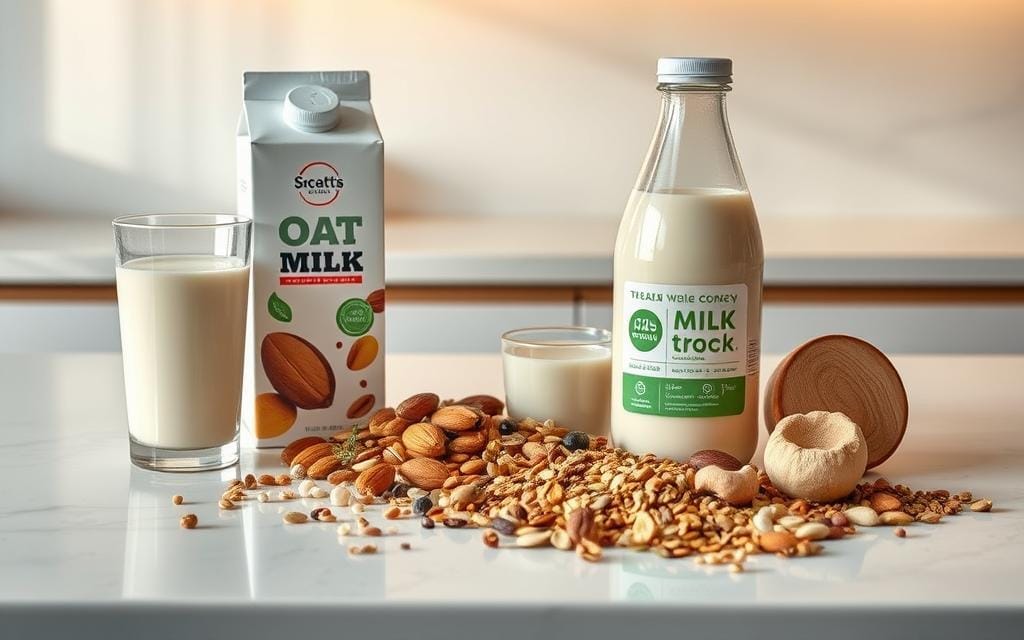
New plant-based milk alternatives are popping up, beyond soy and almond. The German market is seeing a rise in these innovative products. They meet different tastes and dietary needs.
Emerging Plant Sources Popular in German Markets
In Germany, people are loving plant-based milk from new sources like oat, rice, and hazelnut. Oat milk is especially popular for its creamy feel and eco-friendliness. Brands like Alpro and Oatly are at the forefront, offering various flavors and fortified options.
Nutritional Fortification Strategies
Companies are boosting the nutrition of plant-based milk through fortification. They add vitamins like Vitamin D and Calcium. They also use pea or rice protein for extra protein. These efforts make the milk more nutritious and appealing to health-focused buyers.
Breakthroughs in Vegan Cheese Development
In recent years, vegan cheese innovations have skyrocketed, especially in Germany. This is thanks to a growing demand for dairy-free options. Advances in food tech and a push for sustainable, cruelty-free products are driving this trend.
Texture and Meltability Advancements
Improvements in vegan cheese texture and meltability are major breakthroughs. Companies like GOOD PLANeT Foods are leading the way. They’ve created cheeses that melt and stretch just like the real thing. Thanks to precision fermentation and other cutting-edge tech, vegan cheese now tastes and feels just right. This consistency is key to winning over cheese lovers.
Artisanal Production Techniques
There’s also a rise in artisanal vegan cheese making. Small producers are focusing on unique flavors and textures. They’re making gourmet vegan cheeses that stand out.
These cheeses are made with care, using traditional methods and special ingredients. The result is a range of distinctive, high-quality products.
German Vegan Cheese Market Trends
The German vegan cheese market is booming. People are looking for sustainable, cruelty-free options. There’s a big interest in vegan cheese alternatives that taste great and are good for the planet.
| Trend | Description | Impact |
|---|---|---|
| Increased Demand | Rising consumer interest in vegan products | Growth in vegan cheese market |
| Technological Advancements | Improvements in production techniques | Better taste and texture |
| Artisanal Production | Small-batch, unique products | Diverse product offerings |
The future of vegan cheese looks bright. With ongoing innovation and growth, this market is set to thrive.
Production Technology for Animal-Free Dairy Facilities
Making animal-free dairy products needs the latest technology and new ways to make things. As the demand for plant-based dairy grows, makers are using advanced methods to meet it.
Essential Equipment for Modern Plant-Based Production
Today’s plant-based dairy making uses special tools. These include big mixers, pasteurizers, and packers made for plant-based stuff.
| Equipment Type | Description | Benefits |
|---|---|---|
| High-Capacity Mixers | Designed for efficient blending of plant-based ingredients | Improved consistency, reduced production time |
| Pasteurizers | Advanced heat treatment for safety and quality | Enhanced product safety, extended shelf life |
| Packaging Machines | Specialized for plant-based dairy products | Efficient packaging, reduced waste |
Factory Design Considerations
Good factory design is key for making animal-free dairy. It involves the right layout, cleanliness, and room for growth.
ProNano’s Expertise in Food Factory Development
At ProNano, we know a lot about food tech and factory setup. We help businesses make successful animal-free dairy places. Our team helps from start to ready-to-go.
Customized Consulting Services for Dairy Alternative Producers
We tailor our advice for dairy alternative makers. We help with choosing equipment, designing factories, and making production better.
Support from Concept to Operational Readiness
We help our clients from start to finish. We make sure they go from idea to full operation smoothly. Our team aims to help businesses thrive in the plant-based dairy market.
With our help in food factory development and making tech, makers can make top-notch dairy alternatives. These are for vegans and others who want plant-based choices.
Sustainable Packaging and Production Methods
The animal-free dairy industry is moving towards greener practices. This includes using sustainable packaging and energy-efficient ways to make products. As more people care about the environment, companies are changing to meet these needs.
Eco-Friendly Packaging Innovations in Germany
Germany is leading in eco-friendly packaging. Companies there are making biodegradable materials and minimalist packaging designs. These changes help cut down on waste and attract eco-aware consumers.
Some important trends include:
– Plant-based packaging materials
-Edible packaging solutions
-Recyclable and reusable designs
Energy-Efficient Manufacturing Processes
Reducing carbon footprint is key in animal-free dairy production. Companies are using renewable energy sources and optimizing production lines to save energy.
Key strategies include:
-Energy-efficient equipment
-Renewable energy like solar and wind
-Optimizing schedules to use less energy
By focusing on sustainable packaging and energy-saving methods, the animal-free dairy industry can lessen its environmental impact. It also meets the growing demand for eco-friendly products.
Regulatory Landscape for Animal-Free Dairy in Europe
Understanding the rules for animal-free dairy in Europe is key for companies wanting to get into this market. As laws for labeling and marketing these products evolve, knowing the right terms is more important than ever.
German and EU Regulations for Dairy Terminology
In Europe, the rules for dairy terms are strict. The EU has clear guidelines for labeling dairy products, including those made without animals. Words like “milk” and “cheese” have specific rules. It’s vital to grasp these to avoid breaking the law.
-The EU’s Common Agricultural Policy affects dairy labels.
-Germany also has its own rules that add to EU laws.
-Companies must make sure their product names meet these standards.
Nutritional Labeling Requirements and Challenges
Nutritional labels are also a big deal. The EU’s Nutrition Labeling Regulation demands detailed nutrition info. For dairy-free products, this can be tough because of the different nutrients in plant-based ingredients.
Key challenges include:
1.Getting nutritional labels right.
2.Following EU and German laws.
3.Telling consumers about the health benefits.
By following these rules, companies can make it in the European market for animal-free dairy.
Conclusion: The Future Outlook for Animal-Free Dairy Innovation
The dairy industry is moving towards a more sustainable future. This change is thanks to new technology and more people wanting eco-friendly options. We’ve seen how animal-free dairy is becoming popular in Germany and Europe.
At ProNano, we see the big potential in this new market. We help businesses grow in this changing world. Our knowledge in food factory development lets companies make and sell animal-free dairy products well and green.
The outlook for dairy alternatives looks bright. New methods like precision fermentation and plant-based milk are leading the charge. As more people ask for these options, we expect to see even more progress in vegan cheese and eco-friendly packaging. With our help, companies can tackle the challenges of making animal-free dairy. They can also take advantage of the exciting opportunities in this market.
FAQ
What are animal-free dairy products, and how are they produced?
Animal-free dairy products are alternatives to traditional dairy. They are made without animal-derived ingredients. Various technologies, like precision fermentation and plant-based sourcing, are used to replicate dairy’s taste, texture, and nutrition.
What is precision fermentation, and how is it used in dairy protein production?
Precision fermentation uses microorganisms to produce specific proteins, like dairy proteins. It’s a controlled process that creates high-quality, animal-free dairy proteins. These proteins are used in milk alternatives and vegan cheese.
What are the benefits of plant-based milk alternatives, and what are some emerging sources?
Plant-based milk alternatives have many benefits. They reduce environmental impact, improve animal welfare, and offer more choices for consumers. New sources like oats, rice, and hemp are being explored for sustainable milk alternatives.
How is vegan cheese developed, and what advancements have been made in this area?
Vegan cheese is made through microbial fermentation, enzymatic processes, and plant-based ingredients. Recent advancements have improved its texture, meltability, and flavor. This makes vegan cheese more like traditional cheese.
What are the key considerations for designing an animal-free dairy production facility?
Designing an animal-free dairy facility requires careful planning. Choosing the right equipment, layout, and sanitation protocols is crucial. ProNano‘s expertise can help businesses navigate these steps.
What are the regulatory requirements for labeling animal-free dairy products in Europe?
In Europe, labeling rules for animal-free dairy products are strict. They cover dairy terminology and nutritional labeling. Manufacturers must follow these rules to avoid issues.
How can businesses ensure sustainable packaging and production methods in the animal-free dairy industry?
Businesses can adopt eco-friendly packaging and production methods. Using biodegradable materials and energy-efficient processes reduces environmental impact. It also boosts brand reputation and appeal.
What is the future outlook for animal-free dairy innovation, and how can ProNano support businesses in this space?
The future of animal-free dairy looks bright, with ongoing tech advancements and growing demand. ProNano can offer expert advice and partnership to help businesses thrive in this evolving field.