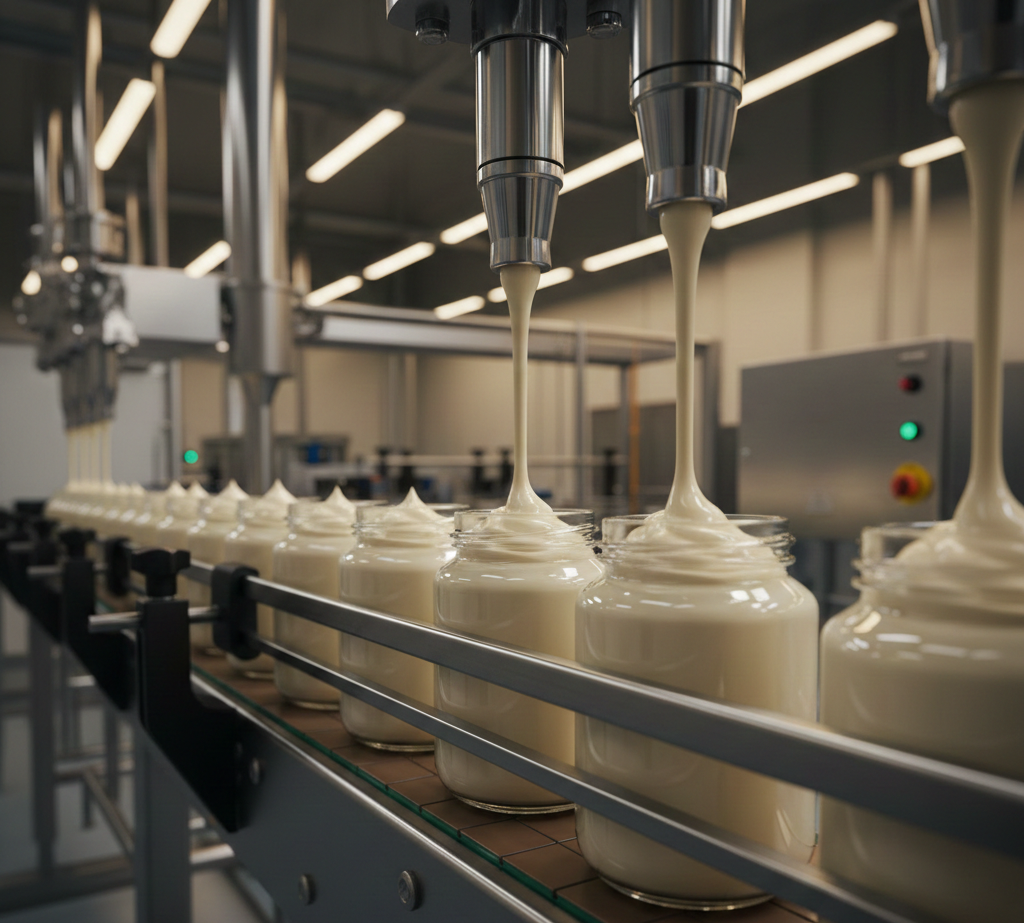
Mayonnaise Manufacturing is a precision-driven industrial process that transforms oil, egg yolk, acid, and functional ingredients into a stable semi-solid emulsion with controlled viscosity, extended shelf life, and consistent sensory quality. In modern food factories, Mayonnaise Manufacturing requires advanced mixing technology, strict hygienic design, optimized formulation engineering, and continuous quality monitoring to ensure product stability and regulatory compliance.
At ProNano, we specialize in supporting industrial food producers through technical audits, formulation optimization, production line design, and performance improvement strategies tailored to each factory’s operational capacity.
 What Is Industrial Mayonnaise?
Mayonnaise is an oil-in-water (O/W) emulsion in which fine droplets of vegetable oil are dispersed within an aqueous phase stabilized mainly by egg yolk lecithin. The science behind Mayonnaise Manufacturing lies in controlling droplet size distribution, interfacial tension, shear energy, and acidity.
Industrial mayonnaise differs significantly from artisanal preparation due to:
• High oil ratios
• Controlled droplet micronization
• Hygienic closed-loop systems
• Standardized pH and microbiological parameters
• Mechanized filling and packaging systems
The final product must maintain physical stability during transportation, storage, and consumer use without oil separation or microbial spoilage.
Functional Role of Each Ingredient in Mayonnaise Manufacturing
Vegetable Oil
Forms the dispersed phase and defines caloric density, mouthfeel, and viscosity. Oil quality must meet low peroxide and anisidine values to prevent oxidative rancidity.
Egg Yolk
Provides lecithin, a phospholipid emulsifier that reduces interfacial tension between oil and water. It also enhances viscosity and contributes to the characteristic yellow hue.
Vinegar or Acetic Acid
Lowers pH to inhibit pathogenic bacteria and extend shelf life. Acid control is critical in Mayonnaise Manufacturing to meet microbiological safety standards.
Water Phase
Acts as the continuous phase and influences final texture and emulsion stability.
Sugar
Balances acidity and improves flavor perception.
Salt
Enhances taste and supports osmotic balance.
Mustard
Contains natural emulsifying compounds and enhances flavor complexity.
Stabilizers
Xanthan gum or modified starch improve rheology, prevent phase separation, and increase resistance to thermal stress.
Preservatives
Potassium sorbate or sodium benzoate are used within regulatory limits depending on market requirements.
Antioxidants
Protect unsaturated fatty acids from oxidation and extend shelf stability.
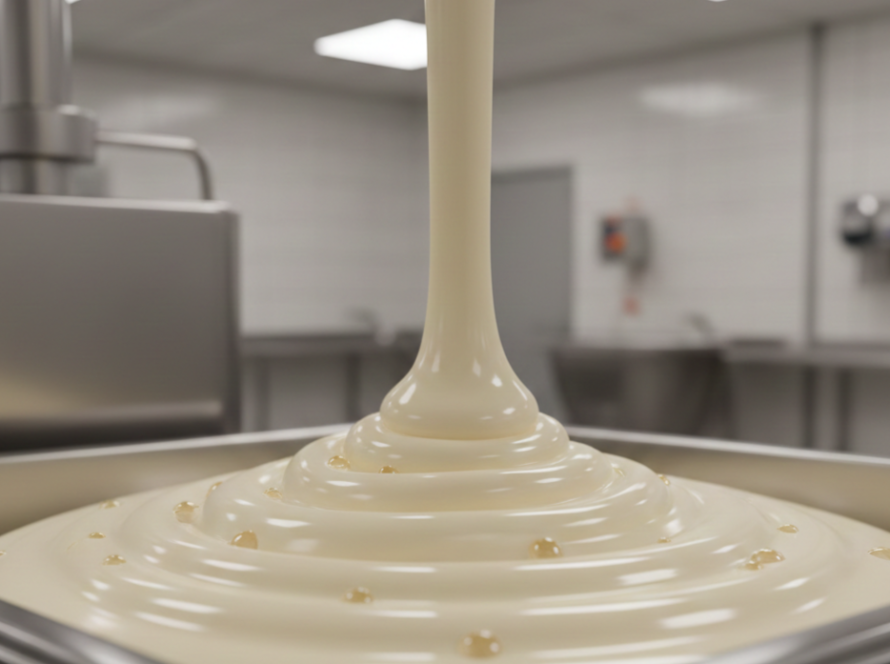 Types of Industrial Mayonnaise Formulations
• High-fat traditional formulation with oil content above 75%
• Reduced-fat European-style formulation
• Commercial cost-optimized formulation supported by stabilizers
• Egg-free or vegan mayonnaise using plant-based emulsifiers
• Flavored mayonnaise variants (garlic, chili, herbs)
Each formulation type requires different shear parameters and viscosity control during Mayonnaise Manufacturing.
Industrial Mayonnaise Manufacturing Process – Step-by-Step Technical Overview
Preparation of the Aqueous Phase
• Dissolve dry ingredients uniformly
• Hydrate stabilizers under controlled agitation
• Add egg yolk and vinegar
• Maintain processing temperature between 18–22°C
Controlled Oil Addition
• Gradual oil incorporation under high shear
• Maintain constant feed rate
• Monitor torque and viscosity development
The droplet size must progressively decrease to create a stable emulsion matrix.
High-Shear Emulsification
• Use rotor-stator high shear mixer
• Achieve droplet size typically below 5 microns
• Maintain uniform dispersion
Colloid Milling
• Final droplet refinement
• Improve texture smoothness
• Increase long-term stability
Deaeration and Transfer
• Remove trapped air to prevent oxidation
• Transfer using sanitary positive displacement pumps
Filling and Packaging
• Automatic filling in glass or plastic containers
• Optional vacuum system
• Hermetic sealing to avoid oxygen ingress
Cold Storage
• Recommended storage at 4–5°C
• Avoid excessive temperature fluctuations
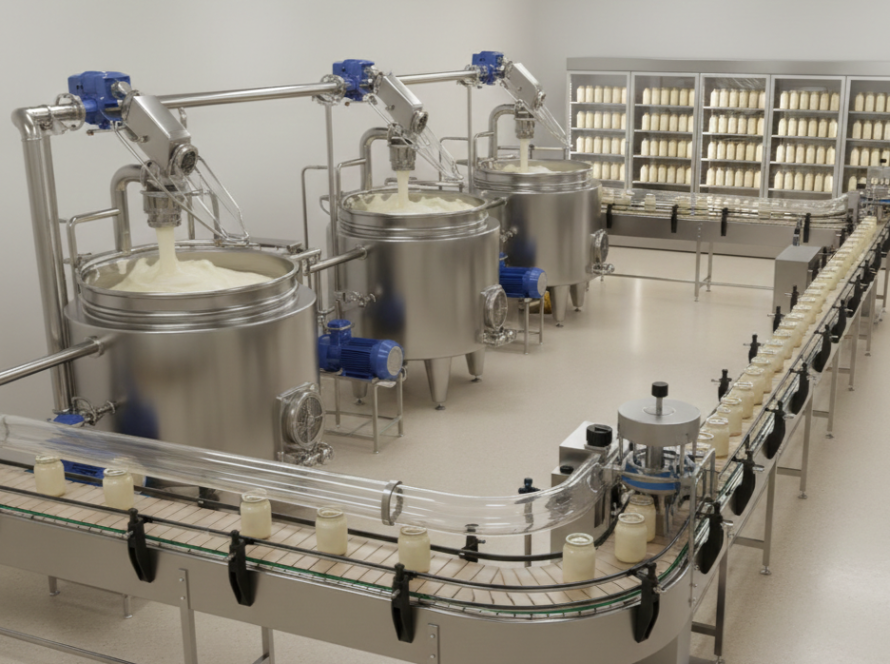 7 Key Steps in Mayonnaise Manufacturing
1. Raw Material Inspection
All oils, egg yolk, acids, and functional ingredients must undergo quality verification including peroxide value testing, microbiological checks, and certification review before entering the Mayonnaise Manufacturing process.
2. Preparation of the Aqueous Phase
Water, vinegar, egg yolk, salt, sugar, and stabilizers are blended under controlled agitation while maintaining optimal hydration conditions and temperature stability.
3. Controlled Oil Addition
Oil is added gradually under continuous high-shear mixing to ensure progressive droplet dispersion and prevent early phase separation during Mayonnaise Manufacturing.
4. High-Shear Emulsification
Rotor-stator systems reduce oil droplet size to achieve a fine, stable emulsion structure essential for long-term stability.
5. Colloid Milling
The emulsion passes through a colloid mill for final refinement, improving smoothness, uniformity, and viscosity consistency.
6. Deaeration and Hygienic Transfer
Air removal prevents oxidation and improves shelf life. The product is transferred through sanitary pumps to the filling system.
7. Filling, Sealing, and Quality Verification
The finished mayonnaise is automatically filled, hermetically sealed, and subjected to laboratory testing including pH, viscosity, microbiological limits, and thermal stability evaluation.
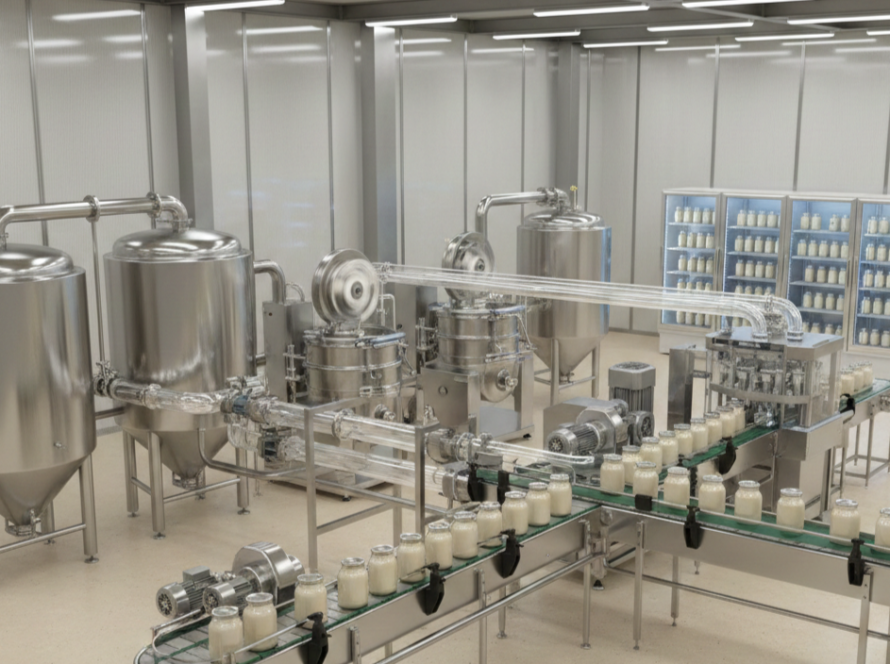
 Equipment Design for Efficient Mayonnaise Manufacturing
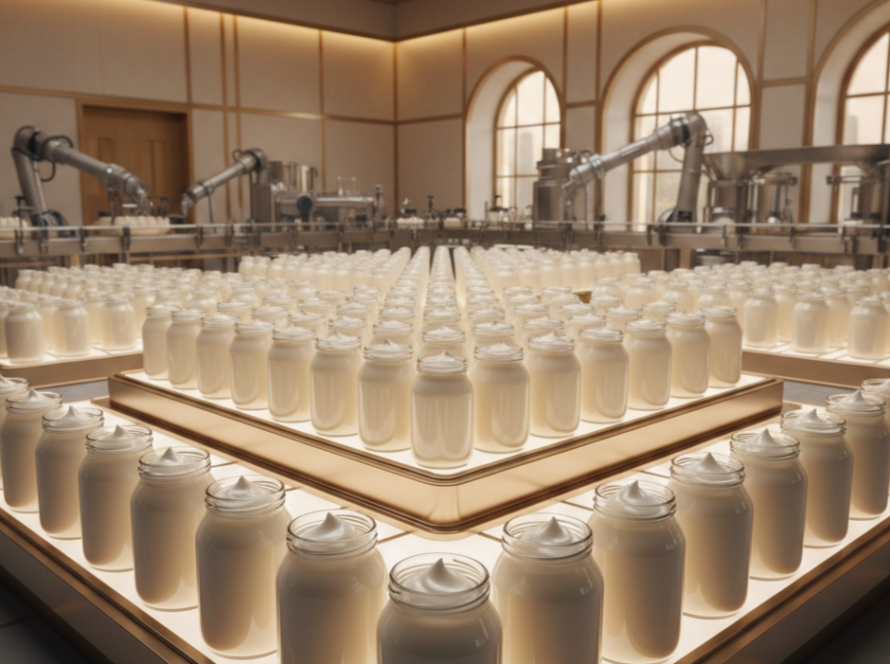 Equipment Design for Efficient Mayonnaise Manufacturing
• Stainless steel mixing tanks (SS304/316)
• Variable-speed high shear mixer (1500–3000 rpm)
• Colloid mill with adjustable clearance
• Positive displacement pump for viscous fluids
• Automatic filling and capping machines
• CIP (Clean-in-Place) system
• pH monitoring system
• Inline viscometer (optional for advanced control)
Production capacity may range from 500 kg/hour to over 5 tons/hour depending on line configuration.
Critical Technical Parameters in Mayonnaise Manufacturing
• Oil content minimum 75% for classic formula
• Egg yolk minimum 7% fresh basis
• pH between 3.6 and 4.2
• Acetic acid content up to 5.2%
• Total plate count ≤ 5000 CFU/g
• Coliforms ≤ 10 CFU/g
• Yeasts and molds ≤ 20 CFU/g
• Heavy metals within international safety limits
Continuous laboratory testing is essential to maintain quality consistency.
Rheological and Stability Evaluation
In industrial Mayonnaise Manufacturing, viscosity and stability testing include:
• Brookfield viscosity measurement
• Thermal stability test at 38°C for 48 hours
• Centrifugal separation analysis
• Accelerated shelf-life testing
A stable product must not show oil separation, syneresis, or structural collapse under stress conditions.
Common Production Challenges and Industrial Solutions
Oil Separation
Cause: insufficient shear or incorrect oil feeding
Solution: optimize rotor speed and oil dosing system
Microbial Contamination
Cause: inadequate CIP or packaging contamination
Solution: implement validated sanitation protocols
Texture Inconsistency
Cause: poor stabilizer hydration
Solution: adjust hydration time and mixing speed
Oxidative Rancidity
Cause: poor oil quality or oxygen exposure
Solution: install vacuum deaeration and add antioxidants
Excessive Thickness
Cause: high stabilizer concentration
Solution: recalibrate formulation ratios
Industrial Case Study – Performance Optimization
A 3-ton/hour facility experienced 6% product rejection due to instability and inconsistent viscosity. After a comprehensive audit by ProNano, improvements were implemented:
• Reformulated oil ratio to 78%
• Installed inline high-shear mixer
• Enhanced CIP validation procedures
Results achieved:
• Reduced waste to 1.8%
• Extended shelf life by 25%
• Increased production efficiency by 12%
• Improved product homogeneity
Cost Optimization in Mayonnaise Manufacturing
Cost control strategies include:
• Optimizing oil sourcing contracts
• Reducing overuse of stabilizers
• Minimizing product loss during transfer
• Improving filling accuracy
• Energy-efficient motor selection
Smart engineering decisions significantly improve profitability in large-scale Mayonnaise Manufacturing facilities.
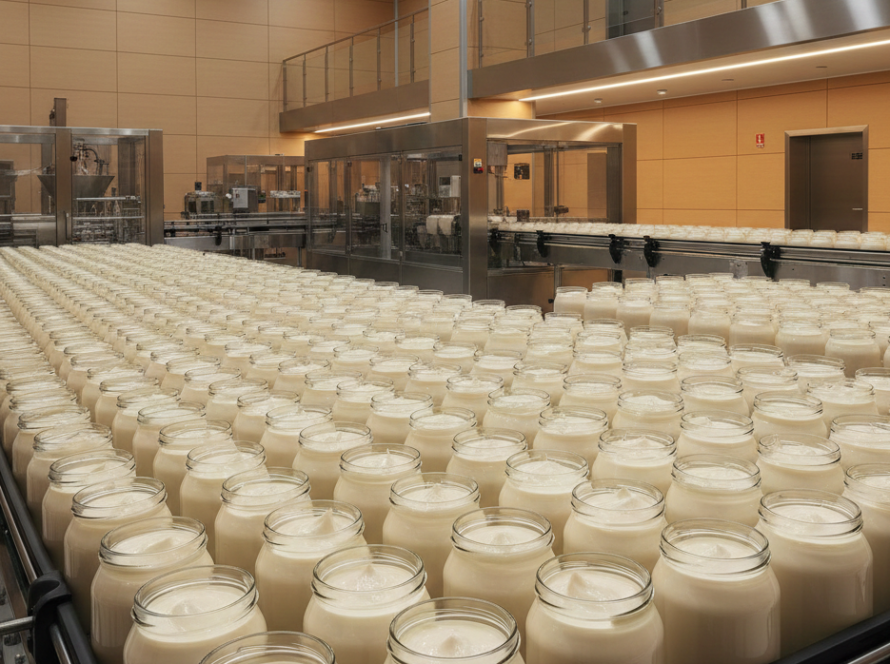 Regulatory and Food Safety Compliance
Industrial Mayonnaise Manufacturing must comply with:
• HACCP food safety systems
• ISO 22000 standards
• Local food authority regulations
• Permitted additive limitations
Documentation, traceability, and batch coding are mandatory for export-oriented production.
Frequently Asked Questions About Mayonnaise Manufacturing
• What is the ideal droplet size for stable mayonnaise?
Below 5 microns for long-term emulsion stability.
• Can mayonnaise be produced without preservatives?
Yes, if pH and hygienic control are strictly managed.
• Why is temperature control critical?
High temperatures reduce emulsion stability and increase microbial risk.
• What determines shelf life?
pH level, oil quality, packaging integrity, and storage conditions.
• How can separation be minimized?
Through optimized shear force and proper stabilizer balance.
Strategic Conclusion
Advanced Mayonnaise Manufacturing combines formulation science, mechanical engineering, and strict quality control to produce a stable, safe, and commercially competitive product. Factories that invest in optimized Mayonnaise Manufacturing systems benefit from reduced waste, extended shelf life, consistent texture, and improved market positioning. With proper technical guidance and industrial optimization, Mayonnaise Manufacturing becomes a highly profitable and scalable food production operation.
Want to take your Mayonnaise Manufacturing to the next level? Contact ProNano today for expert food industry consulting and tailored industrial solutions designed to optimize efficiency, improve product stability, and maximize profitability.