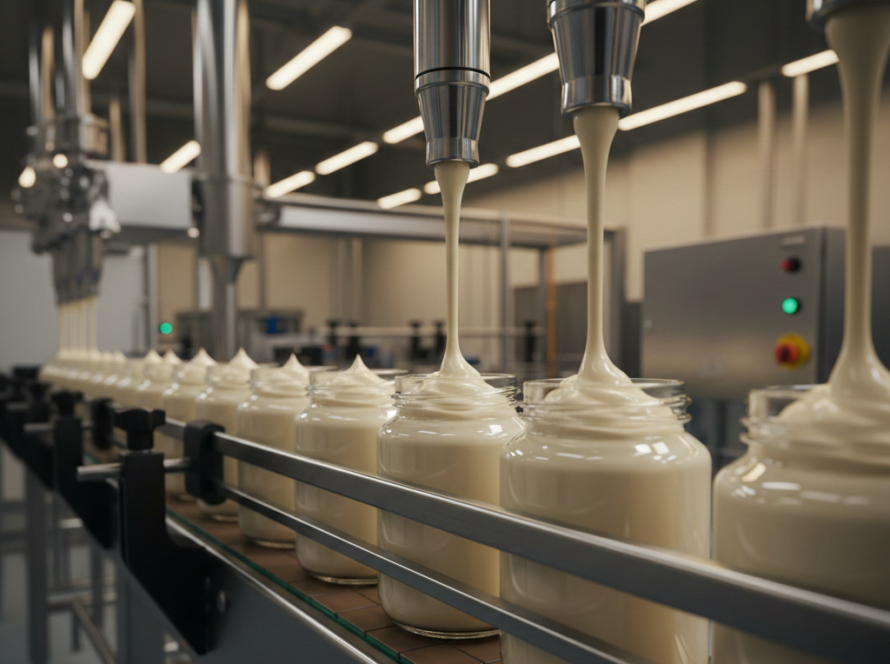
The vinegar industry plays a key role in food production worldwide. Some ingredients are known for their versatility and taste, and vinegar is one of those, used across many cooking traditions. Its significance spans from household kitchens to large-scale industrial applications, making it a central pillar of the global vinegar industry.
At ProNano, we see how important vinegar is, with its diverse applications in different cuisines. The global market size is expected to hit USD 10.8 billion by 2026. The vinegar industry is growing fast, fueled by the increasing demand for natural and healthier foods.
Our team is committed to helping businesses thrive. We offer expert advice and work closely with clients to ensure projects succeed, guiding them from conception to full operation.
Key Takeaways:
The vinegar industry is experiencing rapid growth globally due to rising demand for natural and healthy food products.
Expert consultation is essential for businesses seeking success in this competitive market.
Collaborative partnerships provide comprehensive support, from planning to execution.
The industry’s growth is fueled by the wide applications of vinegar in food preparation and preservation.
Businesses can leverage strategic planning to capitalize on projected growth trends.

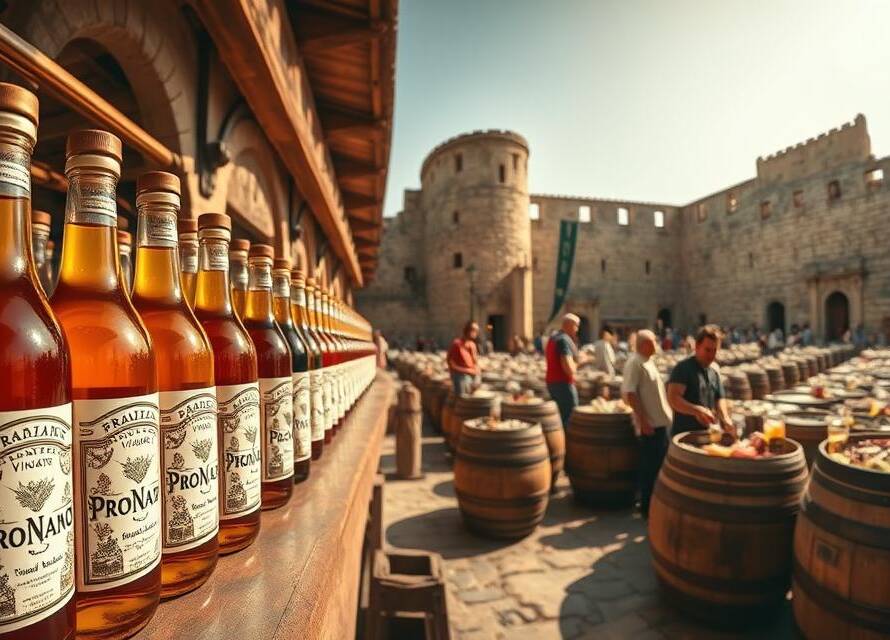
The Rich History of Vinegar: From Ancient Civilizations to Modern Times
Vinegar has been important in many cuisines for thousands of years. Beyond flavor, vinegar has been valued for preservation and health benefits, cementing its role across cultures and shaping the vinegar industry over centuries.
Vinegar’s Discovery and Early Uses
Vinegar first appeared around 5000 BCE in regions like Babylon and Egypt. It was naturally produced through alcohol fermentation. Historically, vinegar was used to preserve food, enhance flavor, and support wellness.
Evolution Through Different Cultures
As civilizations expanded and trade networks grew, vinegar-making techniques spread globally. Each region developed unique types of vinegar using local ingredients and traditional methods. This cultural diversity laid the foundation for today’s global vinegar industry, influencing production and consumption patterns worldwide.
Middle Eastern Vinegar Traditions
In the Middle East, vinegar has been a staple for centuries. It’s commonly used in salads, marinades, and sauces, regarded as a healthy ingredient. Traditional production methods have shaped the distinctive flavors of Middle Eastern cuisine.
At ProNano, we respect vinegar’s history and cultural significance, blending time-honored practices with innovative approaches to modern food production.
Understanding the Global Vinegar Industry Today
The global vinegar industry continues to grow, driven by consumer preference for natural and wholesome foods. ProNano helps businesses understand these trends, identify market opportunities, and secure their position within the industry.
Market Size and Growth Projections
The global vinegar market is forecasted to grow at a rate of 4.4% from 2025 to 2034. Our team provides tailored advice to help businesses navigate this expanding market and optimize strategies for long-term success.
Major Production Regions
Key vinegar-producing regions include the United States, Europe, and Asia, which dominate the industry with well-established production and distribution networks.
Syria and Middle Eastern Market Potential
Syria and the broader Middle East offer significant opportunities for the vinegar industry. Investments in these regions can strengthen market positions and capitalize on a rich culinary culture and growing food sector. Traditional Syrian dishes, such as pickled vegetables, fattoush, and various marinades, rely heavily on vinegar for flavor and preservation. This long-standing use highlights both the cultural importance and commercial potential of the vinegar industry in the region. With a growing demand for natural and healthy ingredients, local producers have the opportunity to expand their offerings, cater to modern tastes, and tap into export markets across the Middle East.
How ProNano Analyzes Market Opportunities
We evaluate trends, production capacities, and distribution channels to identify strategic opportunities. Our solutions are tailored to the vinegar industry, helping businesses align with market demand.
The Science Behind Vinegar Production
Vinegar production is a fascinating process that converts ethanol into acetic acid, giving vinegar its characteristic sour taste. Optimizing this chemical transformation ensures high-quality output.
Fermentation Process Explained
Special bacteria convert ethanol into acetic acid through fermentation. Fine-tuning this process guarantees consistency and premium quality.
Key Chemical Reactions
Critical steps include the conversion of ethanol to acetaldehyde, then to acetic acid. Understanding these reactions allows producers to maintain precise control over quality.
Quality Control Measures
| Quality Control Measure | Description | Importance |
|---|---|---|
| Fermentation Monitoring | Regularly check fermentation progress | High |
| Temperature Control | Maintain optimal temperatures | High |
| pH Level Control | Adjust pH to support fermentation | Medium |
| Contaminant Testing | Detect impurities affecting quality | High |
We collaborate with partners across Turkey, the Gulf, and Europe, leveraging our global network to improve production standards.
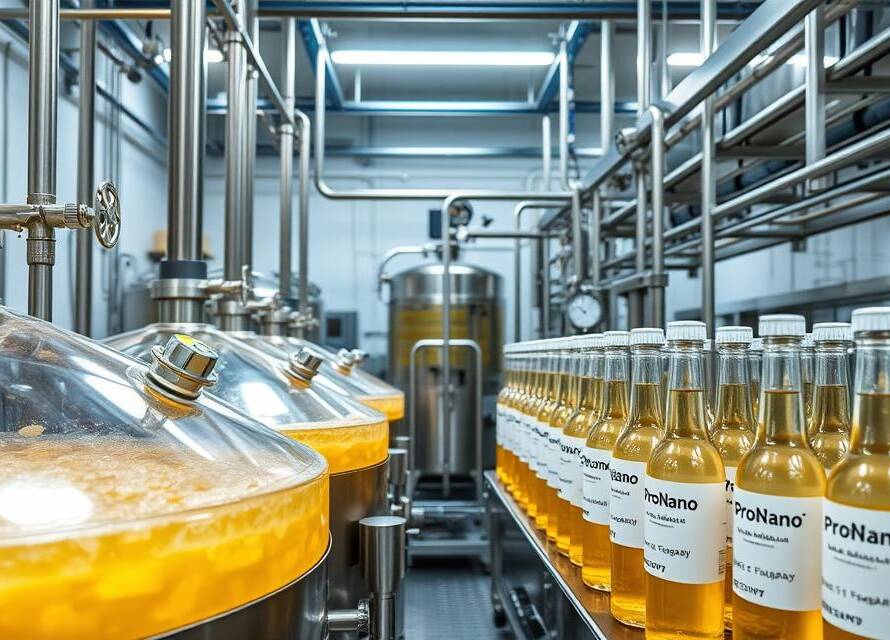
Traditional vs. Modern Vinegar Manufacturing Methods
Producers today choose between traditional and modern techniques, each with advantages:
Slow Fermentation Techniques – Traditional methods produce complex flavors but require time and expertise.
Industrial Quick Production Methods – Modern methods prioritize speed and volume while maintaining quality.
Artisanal Approaches – Growing consumer demand for unique, high-quality vinegar supports artisanal production.
ProNano guides clients in selecting the most suitable method, balancing efficiency and quality.
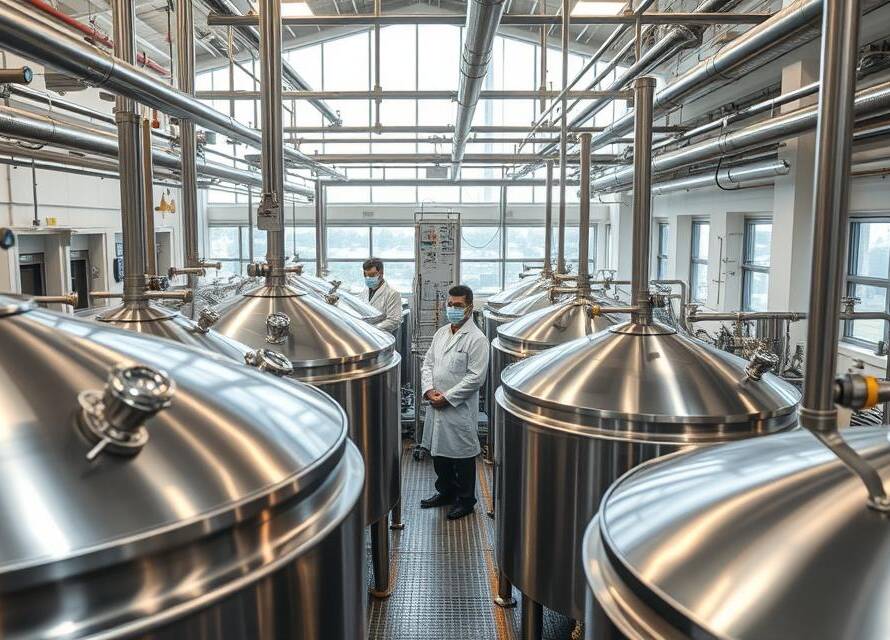
Exploring the Diverse Types of Vinegar
Vinegar varieties reflect both global diversity and culinary specificity:
Apple Cider Vinegar – Fruity and tangy, renowned for health benefits.
Balsamic Vinegar – Rich, sweet-and-sour, ideal for Mediterranean cuisine.
Wine Vinegar – Red or white, flavor varies with the wine used.
Rice Vinegar – Light and slightly sweet, essential in Asian cooking.
Date Vinegar – Middle Eastern specialty, made from dates, adding nutrition and flavor.
| Type of Vinegar | Main Use | Flavor Profile |
|---|---|---|
| Apple Cider Vinegar | Culinary and Health | Fruity, Tangy |
| Balsamic Vinegar | Culinary | Rich, Sweet-and-Sour |
| Wine Vinegar | Culinary | Tangy, Fruity |
| Rice Vinegar | Asian Cuisine | Light, Sweet |
| Date Vinegar | Middle Eastern Cuisine | Sweet, Fruity |
Nutritional Profile and Health Benefits
Vinegar offers significant nutritional and health benefits:
Low calories and high acetic acid content
Contains antioxidants, potassium, and minerals
Digestive Health
Aids in food digestion and alleviates indigestion.
Blood Sugar Management
Acetic acid helps regulate blood sugar by slowing carbohydrate digestion and improving insulin sensitivity.
Weight Management
Increases satiety and may reduce calorie intake.
ProNano ensures clients understand the nutritional value of vinegar and select products that meet consumer expectations.
Culinary Applications: Vinegar in Global Cuisines
Vinegar enhances flavors across multiple culinary traditions:
Mediterranean Cuisine – Balsamic vinegar enriches salads and sauces.
Asian Cuisine – Rice vinegar is essential for sushi and dressings.
Modern Gastronomy – Used creatively in desserts and flavor balancing.
Traditional Syrian Dishes – Pickles and salads feature tangy vinegar for freshness.
Beyond the Kitchen: Industrial and Household Uses
Vinegar is versatile beyond culinary applications:
Cleaning and Disinfecting
Effective against bacteria and germs
Eco-friendly, non-toxic alternative for surface cleaning
Agricultural Uses
Controls pests and weeds
Improves soil health
Preservation Techniques
Maintains food freshness via pickling and canning
ProNano guides clients in exploring innovative applications for vinegar in industry and homes.
Setting Up a Vinegar Production Facility
Creating a production facility requires proper planning, equipment, and regulatory compliance:
Essential Equipment – Fermentation tanks, filtration systems, and storage facilities
Regulatory Compliance – Food safety, quality standards, and environmental regulations
Production Capacity Planning – Ensures demand is met efficiently
ProNano optimizes facility design, blending industry best practices with client needs to boost efficiency and productivity.
Challenges and Opportunities in the Vinegar Industry
Raw Material Sourcing
Fluctuating crop yields and prices affect costs and quality. Strategic supply chain management is essential.
Competition and Market Differentiation
Standing out in a competitive market requires unique products and effective marketing.
Emerging Market Opportunities
Syria and the Middle East offer growing demand for natural and healthy foods, providing lucrative opportunities for local production.
ProNano offers tailored consulting services to address these challenges and capitalize on opportunities.
ProNano: Your Expert Partner in the Vinegar Industry
ProNano offers specialized expertise and end-to-end support in the vinegar industry:
Food Technology Expertise – Cutting-edge solutions for production needs
Comprehensive Support – Market analysis, facility design, production planning, and operational guidance
Customized Solutions – Tailored strategies for each vinegar manufacturer
Success Stories and Case Studies
Our success speaks for itself. We’ve helped many clients reach their goals in the vinegar industry. Here are some highlights:
| Project | Outcome | ROI |
|---|---|---|
| Vinegar production facility setup | Successful launch within 6 months | 25% increase in production capacity |
| Quality control implementation | Improved product quality and reduced waste | 15% cost savings |
Project Implementation Timeline
We work with our clients to set a realistic timeline. We ensure all milestones are met and deadlines are kept.
Return on Investment Analysis
Our team does thorough ROI analyses. We help clients see the financial benefits of their investments in vinegar production.
Conclusion: Embracing Innovation
The vinegar industry is poised for growth. Businesses that understand market trends, adopt innovative practices, and leverage expert guidance can thrive. ProNano supports clients from concept to operation, helping them lead in this expanding sector.
FAQ
What drives growth in the global vinegar industry?
Rising demand for natural, healthy foods and versatile culinary uses.
What types of vinegar are most popular?
Apple cider, balsamic, wine, and rice vinegars.
How is vinegar produced?
Through fermentation of sugars into acetic acid.
What health benefits does vinegar provide?
Supports digestion, blood sugar regulation, and weight management.
What’s important when setting up a vinegar facility?
Proper equipment, regulatory compliance, and capacity planning.
How can businesses differentiate themselves?
Offer high-quality, unique vinegar products.
What role does ProNano play?
Providing expertise, guidance, and end-to-end support for vinegar businesses.
Are there emerging market opportunities?
Yes, especially in Syria and the Middle East.
Can vinegar be used beyond cooking?
Yes, for cleaning, agriculture, and food preservation.
If you are interested in investing in the vinegar industry or developing your own vinegar products, ProNano Food Industry Consulting provides specialized consulting services to help you every step of the way. From choosing the best equipment to optimizing the production process, ProNano helps you achieve success in this growing field. You can contact the company for customized consultations that meet your needs and aspirations.
Read more about Jam Manufacturing project