Are you ready to make your baby food brand a reality on store shelves? Launching a successful baby food brand takes more than a great idea. It needs careful planning, deep market research, and strict FDA rules. At ProNano, we bring together a team of specialists in food tech, design, and project management. We support you from the start to the final product on the shelf. Starting a food brand business is thrilling for entrepreneurs who want to see their products succeed. With the right planning and guidance, your baby food brand can reach success. This is the journey of launching baby food company.
Key Takeaways
- Understand the importance of FDA compliance for your baby food brand.
- Learn how to conduct thorough market research for your product.
- Discover the essential steps to launch your baby food brand successfully.
- Get insights into the role of experts in supporting your brand’s launch.
- Find out how to turn your vision into a reality with the right planning.
The Growing Baby Food Market: Opportunities and Challenges
The baby food industry is booming. Parents want the best for their kids, leading to a big demand for quality and nutrition. This is seen worldwide, where increasing awareness about infant nutrition and the need for easy meals are key.
Current Market Trends in Baby Food Industry
Now, parents are looking for organic and natural products for their babies. The internet has made it simpler to find a variety of baby food online. We help businesses tap into these trends with our customized consulting services.
Why Turkey is an Emerging Hub for Baby Food Production
Turkey is becoming a big name in baby food production. Its strategic location between Europe and the Middle East helps. Plus, Turkey’s food industry is strong, making it a great place to make baby food. We can guide businesses through the rules and help them make the most of their production.
We know how important it is to meet the demand for baby food while following the rules. Our services are here to help businesses in Turkey and elsewhere. We make sure they follow the rules and take advantage of new chances in the market.
Baby Foods-FDA Requirements: A Comprehensive Overview
The FDA sets strict rules for making baby food. These rules help keep infant and toddler nutrition safe. Any brand wanting to sell baby food in the U.S. must follow these rules.
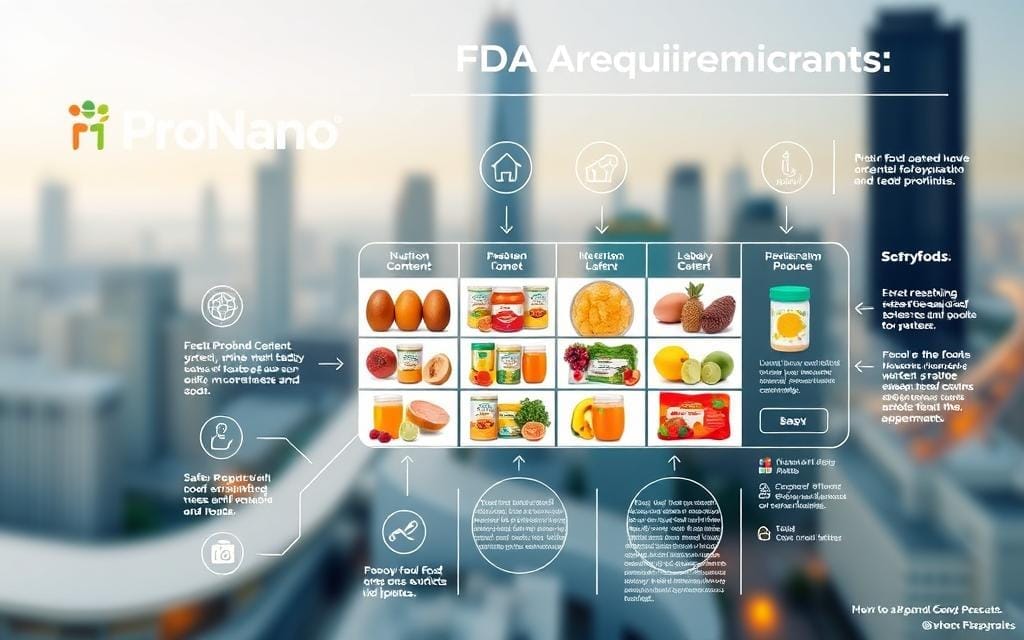
Key FDA Regulations for Infant and Toddler Foods
The FDA watches over many parts of baby food making. This includes labeling, packaging, and how it’s made. Companies must follow Good Manufacturing Practices (GMPs) and make sure their food is safe. We help food factories and kitchens meet these tough standards. This way, brands can make sure their baby food is safe and meets FDA rules.
International Compliance Considerations for Global Distribution
For brands wanting to sell baby food worldwide, knowing global rules is key. Each country has its own rules for making, labeling, and packaging baby food. We help brands deal with these rules, making sure they follow both FDA and international laws.
Documentation and Record-Keeping Requirements
Keeping detailed records is very important for FDA rules. Baby food makers must document their making process, where they get ingredients, and how they check quality. Keeping accurate records helps pass FDA checks and is important for recalling products if needed. By following FDA rules, baby food makers can make safe, healthy food. Our help in understanding these rules can be very useful for starting a baby food brand.
Step1: Conducting Market Research and Identifying Your Niche
Starting a baby food brand needs a key first step: doing market research to find your niche. This step helps you know what customers want, find market gaps, and see who you’re up against.
Analyzing Consumer Preferences and Gaps in the Market
In the baby food world, parents look for healthy, good-for-their-kids options. We use surveys and focus groups to learn what they want in baby food.
- Nutritional content and ingredients
- Packaging preferences (e.g., eco-friendly, convenient)
- Flavor preferences and variety
- Allergen concerns and dietary restrictions
Knowing what customers like helps us spot market gaps. We can then offer unique products like organic, non-GMO, or safe for allergy-prone kids.
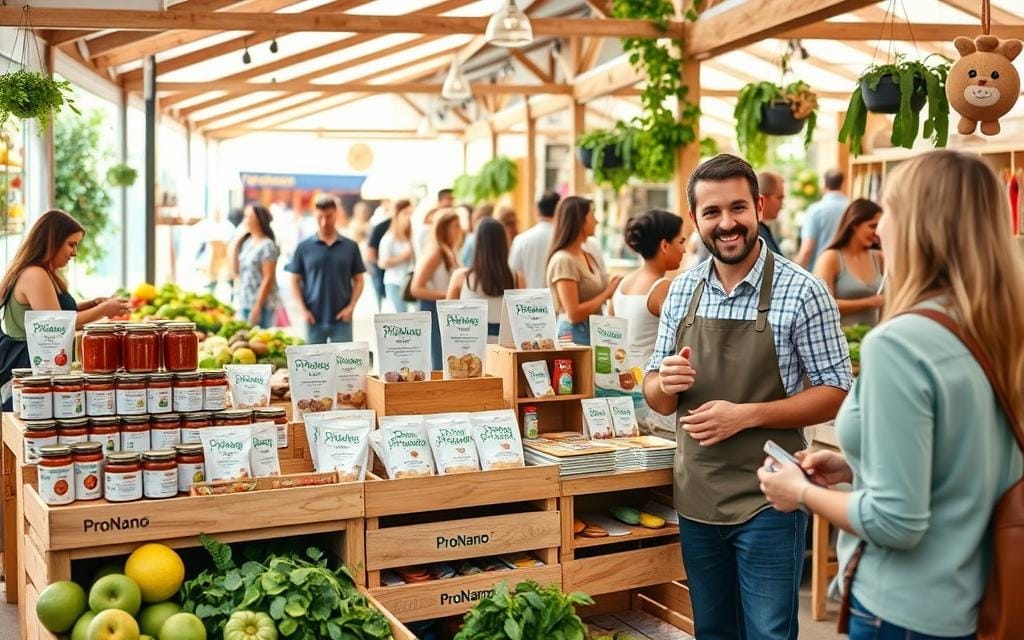
Competitive Analysis of Existing Baby Food Brands
Doing a competitive analysis is key to knowing the baby food market. We look at what other brands offer, how they price things, their marketing, and how they connect with customers.
| Brand | Product Offerings | Pricing Strategy |
|---|---|---|
| Brand A | Organic purees, snack puffs | Premium pricing |
| Brand B | Conventional baby food, pouches | Competitive pricing |
By studying the competition, we find ways to make your brand stand out. We create a unique selling point that speaks to your target audience.
“The key to success in the baby food market lies in understanding your consumers and differentiating your product in a crowded marketplace.”
We help you from the start to getting ready to open. We make sure your baby food brand is ready to succeed in a tough market.
Step2: Developing Your Baby Food Product Concept
To start a baby food brand, you need a product idea that’s both healthy and liked by your target audience. This means looking at nutrition, ingredient quality, and what customers want.
Creating Nutritionally Balanced Formulations
It’s key to make nutritionally balanced formulations for babies and toddlers. We focus on the right mix of nutrients for their growth. Our recipes follow global nutrition standards.
Sourcing High-Quality, Organic Ingredients
Getting high-quality, organic ingredients is essential for top-notch baby food. We work with partners in Turkey, the Gulf, and Europe to find the best ingredients. They are fresh, eco-friendly, and safe.
Conducting Initial Product Testing and Refinement
We test our products first to check taste, texture, and nutrition. Then, we make changes based on feedback from experts and customers. This ensures our products are of the highest quality and liked by everyone.
| Product Attribute | Description | Importance Level |
|---|---|---|
| Nutritional Balance | Ensures the product meets dietary needs | High |
| Ingredient Quality | Impacts taste, safety, and nutritional value | High |
| Consumer Acceptance | Affects market success and brand reputation | High |
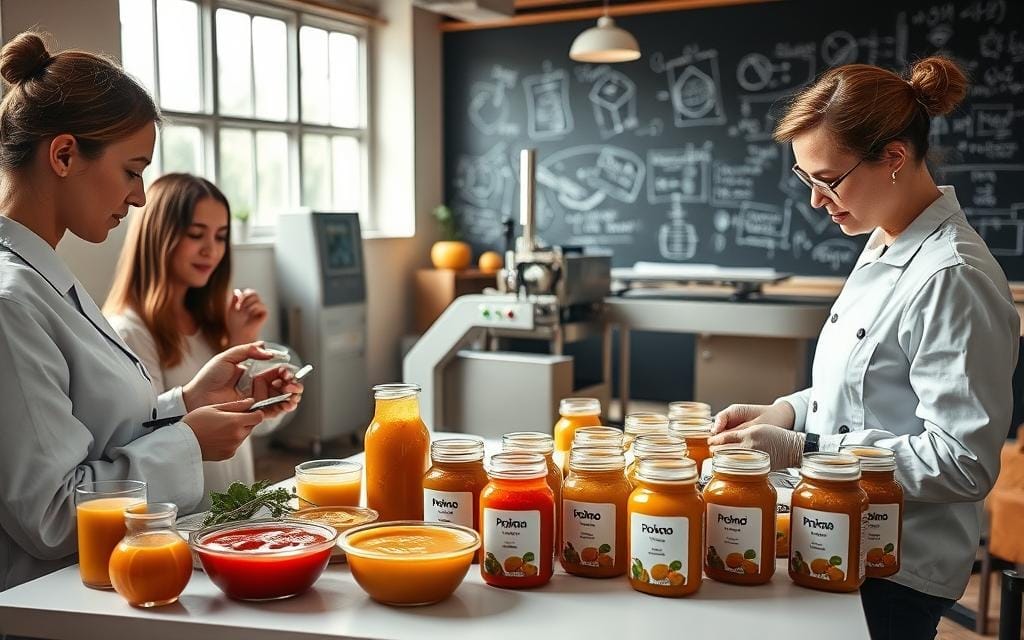
Step3: Designing Your Production Facility with FDA Standards in Mind
To meet FDA standards, baby food makers must design their facilities carefully. This step is key to ensuring quality and safety in production.
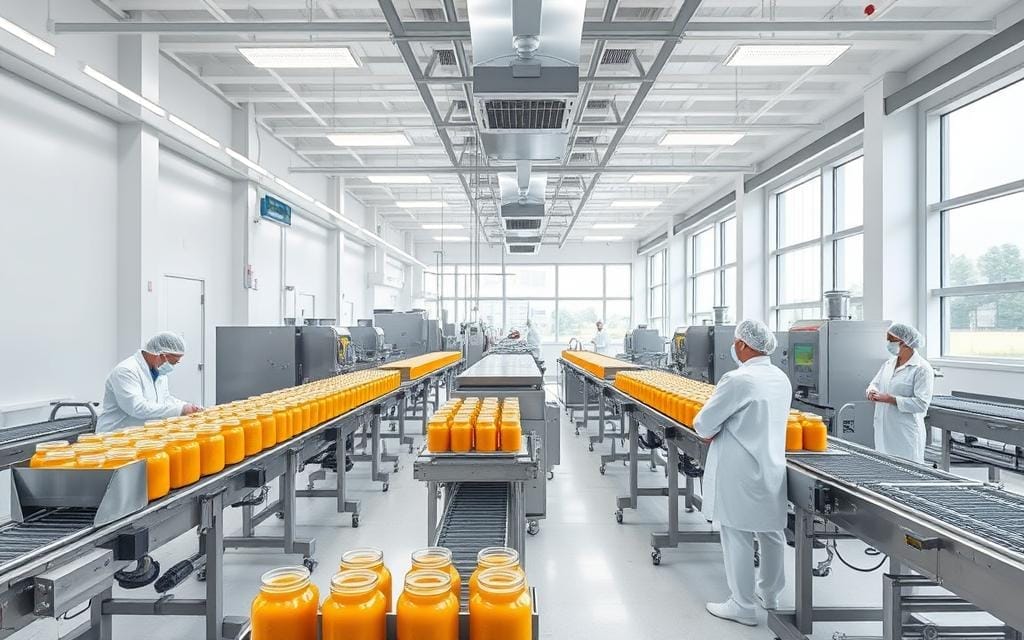
Essential Equipment for Baby Food Manufacturing
Choosing the right equipment is critical for quality baby food. This includes:
- Processing Equipment: Like cookers, blenders, and pasteurizers for baby food needs.
- Packaging Equipment: Machines for filling and sealing containers safely and accurately.
Processing Equipment Requirements
The equipment must keep ingredients’ nutritional value safe. It should also be easy to clean and maintain.
Packaging Equipment Considerations
Packaging equipment must handle different formats and materials. It should seal products safely to prevent contamination.
Implementing Good Manufacturing Practices (GMPs)
GMPs ensure products are made and controlled to quality standards. They involve:
- Training staff on hygiene and safety.
- Regular cleaning and equipment maintenance.
- Keeping records of all processes and procedures.
Facility Layout and Workflow Optimization
A good facility layout is key for efficient workflow and safety. This includes:
- Keeping raw materials separate from finished products.
- Designing production lines to reduce product handling.
- Ensuring easy access to cleaning and maintenance areas.
By focusing on these areas, baby food makers can create a facility that meets FDA standards. It also improves production efficiency and product quality. We provide customized consulting for food factories and central kitchens to help achieve these goals.
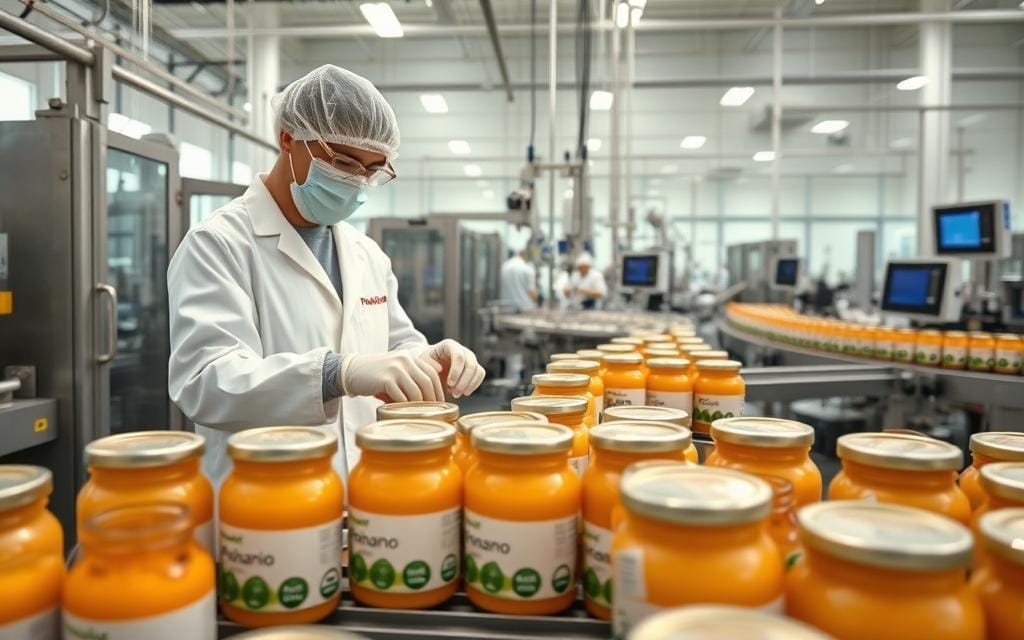
Step4: Establishing Quality Control and Safety Protocols
Setting up quality control and safety protocols is key to a successful baby food brand. It’s vital to ensure the safety and quality of baby food. We will discuss the important steps to take.
Hazard Analysis Critical Control Points (HACCP) Implementation
HACCP is a method to find and control food hazards. We have experience in setting up food factories and kitchens. This helps us guide you in implementing HACCP. It involves finding key points in your production where hazards can be reduced.
Testing Procedures for Contaminants and Allergens
Testing for contaminants and allergens is essential. It helps follow FDA rules and keeps consumers safe. Our team can help set up detailed testing procedures. This includes checking for common allergens and contaminants that could harm babies.
Batch Testing and Product Traceability Systems
Batch testing and product traceability are key to quality control. Batch testing ensures every product meets your standards. A product traceability system tracks your products, helping with recalls.
Step5: Navigating the FDA Approval Process
Getting your baby food product FDA-approved is a journey with many steps. We help you from the start to making sure your product is ready. We make sure it meets all the rules.
Required Documentation and Registration Steps
The first step is to get your documents ready. You need to register your facility and get the right permits. Having all your documents right is key for a smooth process. We help you make sure you have everything you need.
Working with Regulatory Consultants for Smoother Approval
Working with regulatory consultants can make things easier. They know a lot about FDA rules and can help you follow them. “Regulatory consultants can be the difference between a delayed launch and a successful, timely market entry,” they offer great advice and help you stay compliant. We help you find the best consultants for your needs.
Preparing for FDA Inspections and Audits
Being ready for FDA inspections is very important. You need to have good quality control and meet FDA standards. Being prepared can help avoid problems and ensure a good inspection. We help you make a plan to get ready for inspections.
The FDA approval process can be hard and take a lot of time. But with the right help and preparation, it can be done well. We are here to support you from the beginning to the end.
Step6: Packaging and Labeling in Compliance with Regulations
In the baby food industry, packaging and labeling are key. They’re not just about looks; they’re about following rules and gaining trust from consumers. We’ll help you launch a baby food brand that meets FDA standards for packaging and labeling.
FDA Labeling Requirements for Baby Food Products
FDA labeling rules are strict to keep consumers safe and informed. Baby food labels need to show nutritional info and warn about allergens.
Nutritional Facts Panel Requirements
The Nutritional Facts Panel is vital for baby food labels. It must show the product’s nutritional details, like serving size and daily values for nutrients.
Allergen Labeling and Warning Statements
Allergen labeling is key for safety. Baby food must clearly list common allergens like milk, eggs, and nuts.
| Allergen | Labeling Requirement |
|---|---|
| Peanuts | Must be clearly stated on the label |
| Tree Nuts | Must be clearly stated on the label |
| Milk | Must be clearly stated on the label |
Sustainable Packaging Options That Meet Safety Standards
Sustainability in packaging is growing in importance. We’ll show you eco-friendly options that are safe and good for the planet.
Shelf-Life Testing and Date Marking Compliance
Shelf-life testing is critical for baby food quality and safety. We’ll help you with testing and following date marking rules.
Working with us means you get our help with FDA rules. This will help your baby food brand succeed in Turkey, the Gulf, and Europe.
Step7: Marketing and Distribution Strategies for Your Baby Food Brand
Marketing and distribution are key steps to make your baby food brand known. It’s important to have good strategies to reach your audience and sell more.
Building Consumer Trust Through Transparency
Transparency is key to consumer trust. Clearly show what’s in your food, its nutrition, and how it’s made. This builds a loyal customer base. Being open about where you get your ingredients is also a big plus for parents looking for quality.
Retail Partnerships and E-commerce Opportunities
Getting your product in stores is essential. We help you find and work with the right retailers. Selling online through e-commerce also widens your reach, letting you sell directly to customers.
Leveraging Clean Label and Organic Certifications
Having clean label and organic certifications is a big plus. These are important to health-focused buyers. We guide you through getting these certifications and using them to draw in more customers. With these strategies, you can market and distribute your baby food brand well. We provide tailored advice for hotels, hospitals, and food factories to help you succeed.
Why Choose ProNano’s Expert Team?
ProNano‘s expert team is here to help you launch a successful baby food brand. We have years of experience in food technology and setting up factories. We’ll guide you through every step of your journey.
At ProNano, we have a team of specialists in food technology, industrial design, and project management. Our comprehensive support includes:
- Expert consultation on product development and formulation
- State-of-the-art factory design and setup
- Regulatory compliance and quality control measures
- International partnerships for global distribution
Our team has specialized experience in setting up food factories. We ensure your production facility meets the highest quality and safety standards. We work closely with you to understand your unique needs and challenges. We provide tailored solutions to drive your business forward.
By choosing ProNano, you’re not just getting a service provider. You’re gaining a trusted ally in the baby food industry. Our commitment to your success is unwavering. We’re dedicated to helping you achieve your goals in a competitive market.
With ProNano’s expert team by your side, you can confidently navigate the baby food industry. From product development to global distribution, we’re here to help. Let us be your partner in building a successful and sustainable baby food brand.
Conclusion: Building a Sustainable and Compliant Baby Food Business
Creating a sustainable and compliant baby food business needs careful planning. Follow the 7 key steps in this article to start a successful brand. We help you from the beginning to making sure your business is ready to run.
A compliant business follows FDA rules and puts consumer health first. Adding sustainable practices makes your brand appealing to those who care about the environment. This helps you stand out in the competitive baby food market.
At ProNano, we help make food projects better with our expert advice and teamwork. Our team will guide you from the first idea to getting your business up and running. We make sure your business is both sustainable and follows FDA rules.
FAQ
What are the key FDA regulations for baby food manufacturers?
Baby food makers must follow FDA rules. This includes good manufacturing practices and labeling. We help you understand and follow these rules to stay compliant.
How do I conduct market research for my baby food brand?
Market research for baby food means looking at what consumers like. It’s also about finding gaps in the market and comparing your brand to others. We offer advice on how to do this research well.
What are the essential steps to develop a baby food product concept?
Creating a baby food product starts with making a balanced formula. You need to find top-notch ingredients and test your product. We guide you through making a product that parents and regulators will approve of.
How do I design a production facility that meets FDA standards?
To meet FDA standards, your facility needs the right equipment and follows good practices. We help you design a facility that’s compliant and efficient.
What are the requirements for labeling and packaging baby food products?
Labeling and packaging must follow FDA rules. This includes safety standards and what information to include. We help you make sure your labels and packaging are up to code.
How can I establish quality control and safety protocols for my baby food brand?
Quality control means having HACCP and testing for contaminants. You also need systems for tracking batches and products. We offer advice on setting up strong safety measures.
What are the benefits of leveraging clean label and organic certifications for my baby food brand?
Getting clean label and organic certifications can boost trust in your brand. It sets you apart in a crowded market. We show you how to get these certifications and use them to your advantage.
How can ProNano support me in launching my baby food brand?
At ProNano, we support you from start to finish. Our team of experts offers full support and specialized knowledge. We also have international connections to help you succeed.
What are the key considerations for starting a baby food business?
Starting a baby food business needs careful planning and market research. You must also follow FDA rules. We guide you through the steps to launch a successful brand.
How do I navigate the FDA approval process for my baby food product?
To get FDA approval, you need to prepare documents and work with consultants. You also need to be ready for inspections. We offer advice on how to smoothly navigate this process.