
Skip to content Skip to sidebar Skip to footer

5 basics for increasing the density of foam in coffee and its types: The importance and efficiency of coffee making

coffee foam- Coffee is made from roasted coffee beans and is grown in over 70 countries, mainly in tropical regions across the Americas, Southeast Asia, the Indian subcontinent, and Africa. Green coffee is often described as the world’s second most traded commodity after crude oil. Thanks to its caffeine, it has a noticeable stimulating effect, making it one of the most popular beverages globally. In the Middle East, coffeehouses became key social hubs. By the 16th century, Turkish coffee was finely ground, brewed, and served with sweets and foam. In 17th-century Europe, “penny universities” attracted intellectuals, with coffee often mixed with sugar or milk. In America, colonists brewed simple country coffee or used substitutes like chicory. The 19th century introduced tools like the French press, while 20th-century Italy spread espresso culture. Later, instant coffee with Coffee foam  gained wide popularity for its convenience, shaping today’s modern coffee culture.
Increasing the density of foam in coffee and its types

Types of Foam in Coffee:

Each type of foam differs in its composition and method of preparing the foam. Here are the most prominent types characterized by the density of the coffee foam:

1_ Espresso Foam:
The foam in espresso is considered one of the densest types. Espresso is prepared under high pressure, allowing for the formation of a dense foam. This type of foam adds a rich, concentrated flavor and is the basis for many drinks such as cappuccino and latte.
2_ Cappuccino Foam:
Cappuccino is prepared using a combination of steamed milk and espresso, creating a dense, smooth foam that covers the surface of the drink. Cappuccino foam is characterized by its firmness and density, making it a favorite among many coffee lovers.
3_ Latte Foam:
Latte is known for its smooth foam, which differs from the density of espresso and cappuccino, but it remains an essential part of the coffee experience. It relies on a larger amount of milk, which makes the foam lighter but remains smooth and consistent.
4_ Macchiato Foam:
The foam in a macchiato is less dense than in espresso and cappuccino, but it remains an integral part of the drink. Macchiato is based on a combination of espresso and slightly foamed milk.
How to Make Coffee and Increase the Thickness of the Foam:

It is made in several important steps, starting with growing the beans, roasting, and then grinding. To increase the density of the foam, you must focus on the quality of the beans used and the method of preparation. Here are some ways to increase the density of the foam:

1_ Choosing the Right Beans: High-quality beans greatly affect the density of the foam. Fresh coffee beans, roasted correctly, contain aromatic oils that contribute to the formation of a rich foam.
2_ Preparation Method: Coffee prepared using an espresso machine under high pressure contributes to the formation of a dense foam. If the foam is more consistent, it means that the water pressure was optimal during the preparation process. 3_ Using steamed milk: To increase the foam density in milk drinks such as cappuccino and latte, steam is used precisely to produce a smooth but dense foam. The milk must have the appropriate fat content to enhance the consistency of the foam.
4_ Controlling the temperature: Perfect foam requires a specific temperature during preparation. Too much or too little heat can negatively affect the foam density and quality.

Coffee
Increasing foam density
The Importance of Coffee Foam Density:

The density of coffee foam is not only an aesthetic element, but also an indicator of the quality of preparation. The presence of dense foam enhances the flavor and makes it richer, and it also plays a role in the aroma that emerges with the first sip. For consumers, foam density contributes to an improved overall consumption experience. Dense foam can be an indicator of the efficiency of the brewing process and the professionalism of the brewer.

How to Meet the Growing Demand for Coffee:

With the growing interest in coffee varieties and foam density, the need to consistently produce high-quality coffee has emerged. Producers face ongoing challenges in meeting the growing demand and achieving production efficiency. Solutions include:

Improving machinery and equipment: Using advanced brewing machines, such as modern espresso machines, which provide optimal pressure and precise extraction, helping to achieve a dense, consistent foam.

Expanding Production Lines: By developing new and advanced production lines, global market needs can be met.
Expanding into food consulting: Leveraging specialized food consulting firms to improve product quality and develop preparation techniques.
pronano’s Role in Product Improvement:

pronano is a leading provider of food consulting services for the coffee industry. With its extensive experience,proano provides specialized consulting to its producers to improve all aspects of production, including coffee foam density. The company collaborates with factories to conduct comprehensive studies on the types of beans used and the preparation method, and also offers innovative solutions to develop the equipment and machinery used in their production.

Through pronano’s consulting services, many clients have been able to improve production processes and increase coffee preparation efficiency, helping them meet the growing demand for high-quality coffee products. The company ensures the best technologies are available to increase foam density, enhancing the consumer experience and driving success in global markets.


Manufacturing Machines in Coffee Plants:

In factories, a range of advanced machines are used to ensure coffee quality and deliver the perfect foam density. These machines include:

Commercial espresso machines: These are used to produce rich, foamy coffee by forcing water through the ground beans.

Milk steamers: These ensure the preparation of a thick, delicious milk foam.

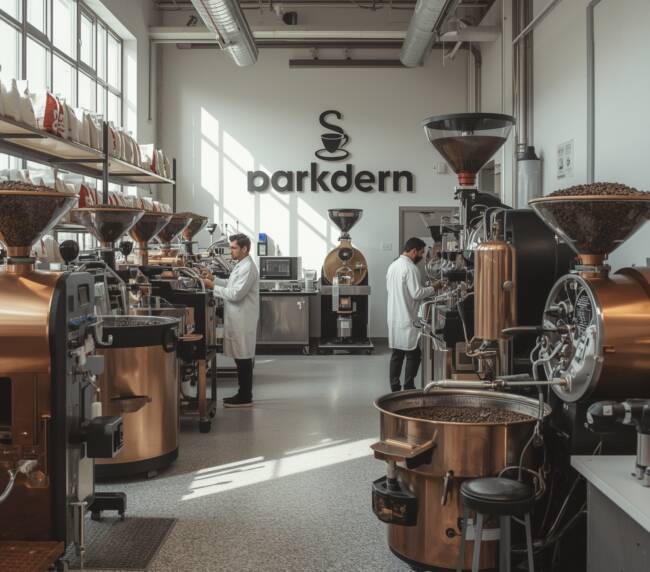
Coffee roasters: These control the roasting temperature to obtain the perfect beans, which contributes to the production of a thick foam.

The density of coffee foam is a crucial factor affecting the quality of the beverage, and coffee companies must ensure that their preparation techniques are continuously improved. Through specialized consulting, such as that provided by pronano, producers can optimize their production processes and deliver high-quality coffee that meets the growing market demand.

Read more about product labels and nutritional values.

Leave a comment