GLP-1 foods are quickly becoming a relevant topic inside R&D departments, not just in nutrition discussions
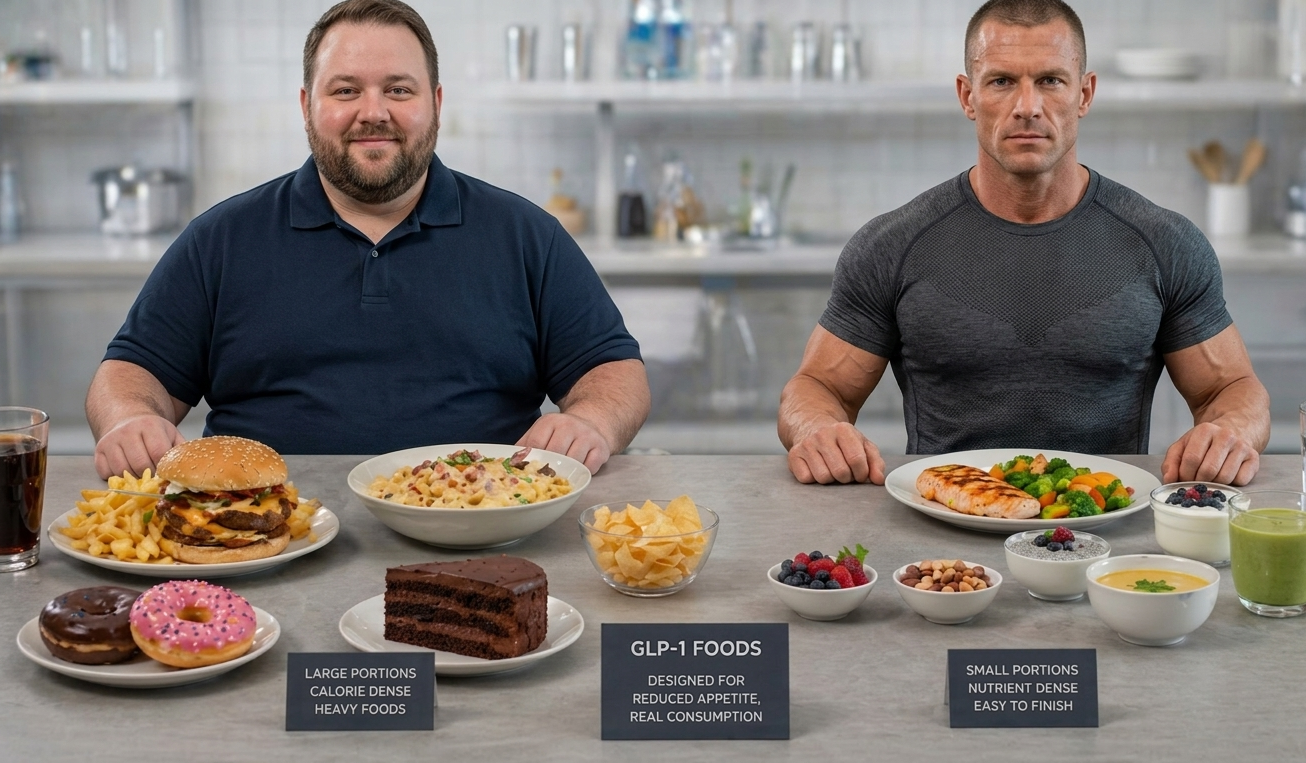
With the growing use of medications like Ozempic and Wegovy, food consumption patterns are shifting in a way that most existing product formats were not designed to handle. People are not simply eating less. They are eating differently. From an industrial perspective, this creates a very specific challenge: how do you design food products for Ozempic users and reduced appetite consumers who experience early satiety, reduced appetite, and lower tolerance for heavy meals? This is where GLP-1 foods move from being a trend to becoming a product development question.

Understanding the Consumption Shift
In practical terms, GLP-1 users tend to:
• Stop eating earlier than expected
• Avoid dense or greasy textures
• Prefer smaller, manageable portions
• Experience occasional digestive sensitivity
This behavior creates a mismatch with standard food products, especially those designed around:
• Full meal portions
• Calorie-driven formulations
• High-fat indulgent profiles
A ready meal that performs well in a conventional market may fail completely in this context, not because of taste, but because of portion perception and physiological response.
What Defines GLP-1 Foods from a Manufacturing Perspective
From a product development standpoint, GLP-1 foods are not “diet products.”
They are precision-engineered formulations built under new constraints.
Three parameters consistently appear during industrial food formulation work:
Nutritional Density per Bite
When total intake drops, efficiency becomes critical.
Products need to deliver:
• High-quality protein
• Essential micronutrients
• Functional support in compact portions
This is less about reducing calories and more about maximizing nutritional return per serving.
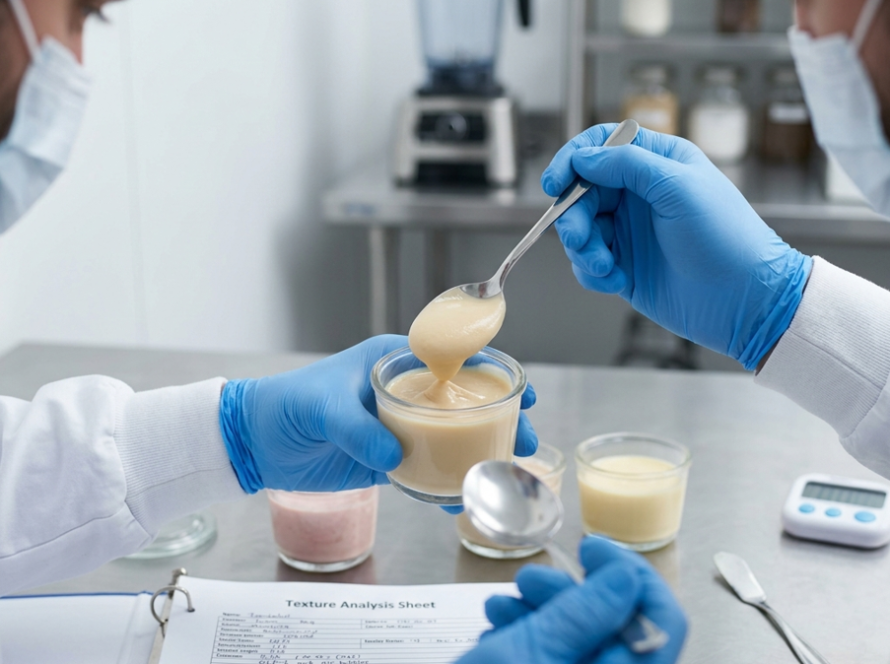
Controlled Texture and Oral Experience
Texture becomes a deciding factor faster than expected.
In several pilot trials we’ve seen, consumers rejected products not because of flavor, but because of:
• Dryness in high-protein systems
• Excessive thickness
• Sticky or heavy mouthfeel
Spoonable, smooth, and light structures tend to perform better, especially in dairy or plant-based systems.
Digestive Comfort and Stability
Formulations that are technically stable are not always physiologically comfortable.
High fat loads, certain protein blends, or poorly balanced emulsions can lead to discomfort for GLP-1 users.
From a process perspective, this requires tighter control over:
• Emulsion stability
• Fat distribution
• Ingredient interactions during digestion
Where Most Current Products Fall Short
Many existing “healthy” or “functional” products were not designed with reduced appetite in mind.
Common issues include:
• Portion sizes that are too large to finish
• Nutritional dilution relative to intake
• Over-fortified systems with poor sensory performance
• Formats that require effort to consume
In one case we reviewed, a high-protein dessert performed well in standard panels but showed low completion rates among
reduced appetite consumers.
The issue was not formulation on paper, but real consumption behavior.
This gap is where most of the current opportunity in GLP-1 food development sits.
Product Formats That Are Starting to Work
While the category is still evolving, some formats are showing consistent alignment with GLP-1 consumption patterns:
• Micro-meals
• Compact, nutritionally complete portions designed for partial consumption without waste
• Spoonable protein systems
• Yogurt-style or pudding-like formats with controlled viscosity and clean finish
• Drinkable nutrition
• Liquid systems that reduce effort of consumption and improve tolerance
• Soft structured snacks
• Products that avoid dryness and are easy to finish in small quantities
These formats are not new individually, but their role changes significantly in this context.
Process and Formulation Considerations
From an industrial point of view, developing GLP-1 foods requires attention to details that are often secondary in traditional product lines.
Key areas include:
• Portion engineering
• Designing for realistic consumption, not theoretical serving sizes
• Protein system selection
• Balancing digestibility, texture, and stability
• Water activity and shelf life
• Especially in small portions where surface-to-volume ratio changes behavior
• Thermal processing impact
• Maintaining texture integrity after pasteurization or UHT
• Packaging interaction
• Smaller formats introduce new challenges in filling accuracy and oxygen control
These are not isolated decisions. They interact across the entire production line.
A Practical Observation from Industrial Work
In multiple development projects, the biggest adjustment was not the formulation itself, but the mindset behind it.
Teams initially tried to “adapt” existing products by reducing portion size.
This approach rarely works on its own.
Reducing size without adjusting:
• Texture
• Nutrient density
• Sensory balance
Leads to products that feel incomplete rather than optimized.
The more successful approach is to start from consumption behavior and build the product around it.
Where ProNano Typically Gets Involved
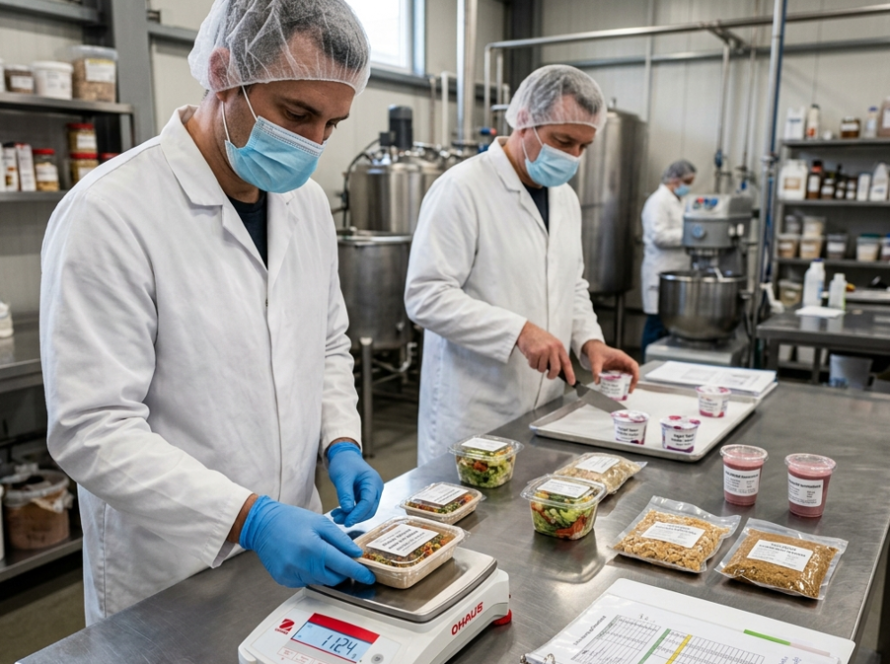
At ProNano, this type of challenge usually appears at the intersection of formulation and process.
Not just “what goes into the product,” but:
• How it behaves during processing
• How it scales industrially
• How it performs over shelf life
• How it is actually consumed
This often requires aligning R&D, production, and quality teams early in the development cycle.
Conclusion
GLP-1 foods are not a short-term niche.
They represent a structural shift in how food is consumed, and therefore how it needs to be designed at an industrial level.
For manufacturers working on food for Ozempic users and reduced appetite consumers, the challenge is not adding another
product to the portfolio, but understanding that:
• Smaller intake changes everything
• From formulation to processing to packaging
The companies that move early in GLP-1 food development are not necessarily the ones with new ingredients, but the ones
willing to rethink product structure from the ground up.
If you are currently evaluating how your product lines fit into this shift, it may be worth taking a closer look at how they perform under real reduced-appetite conditions.
At this stage, collaboration and technical assessment become essential.
Connect ProNano to evaluate your current formulations and explore practical pathways for optimizing product performance in this emerging category.
Read more about: Brain Food.