Plastic packaging has long been a central component of food manufacturing and distribution. It offers durability, lightweight transport, and reliable protection for a wide variety of food products. However, growing environmental concerns and evolving regulatory frameworks are encouraging food manufacturers to explore plastic packaging alternatives that can reduce environmental impact while maintaining product quality and safety.
For many producers, the challenge is not simply replacing plastic, but identifying plastic packaging alternatives that maintain the essential functions of packaging while remaining economically and operationally viable.
Why Plastic Packaging Is Being Reconsidered
Packaging performs several critical roles in the food industry. Any transition toward plastic packaging alternatives must continue to support these core functions.
• protecting products from physical damage during transportation
• preserving product freshness and shelf life
• supporting branding and product presentation on retail shelves
As manufacturers evaluate plastic packaging alternatives, they must ensure that new materials meet these same functional requirements without compromising food safety or operational efficiency.
Types of Plastic Packaging Alternatives
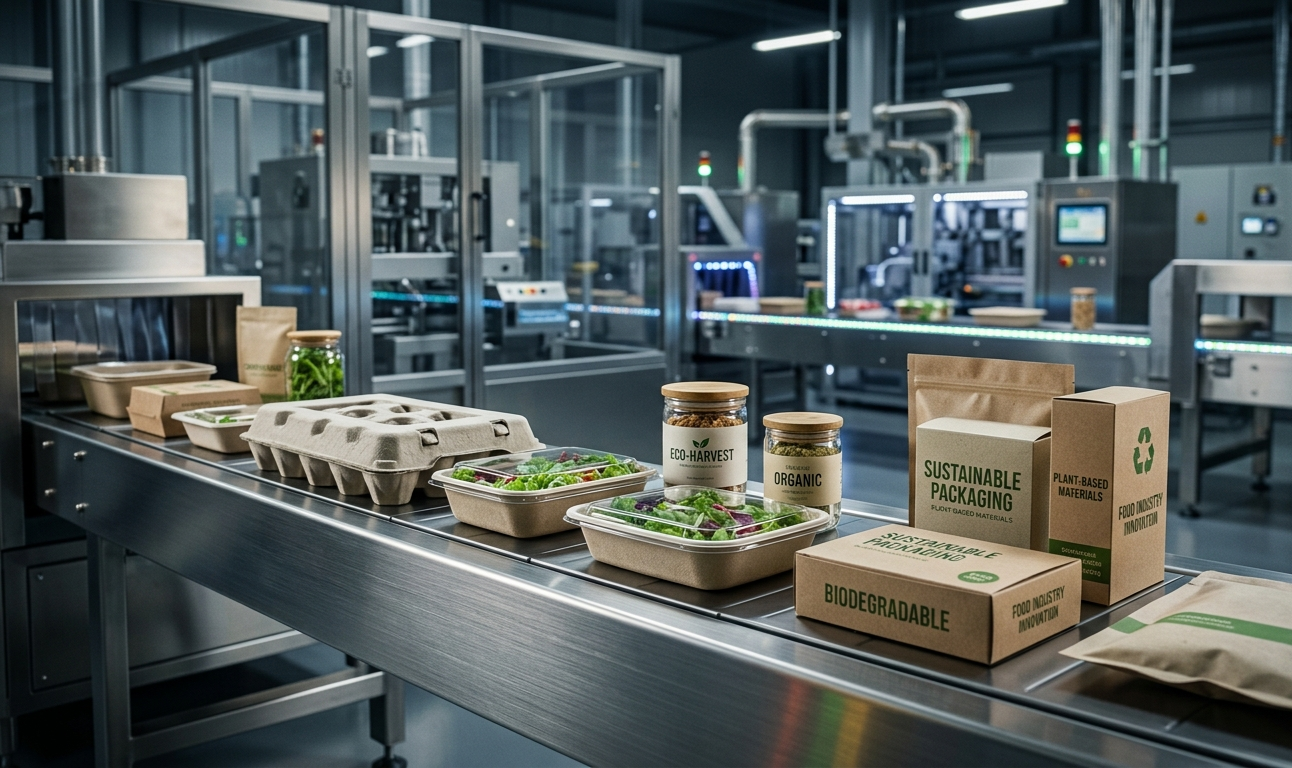
Advances in material science and sustainable packaging design have introduced a variety of plastic packaging alternatives that food manufacturers can consider.
Some of the most widely explored options include:
• paper-based and fiber packaging solutions
• plant-based biodegradable materials
• compostable biopolymers derived from renewable resources
• lightweight hybrid materials that reduce plastic content
• recyclable mono-material packaging structures
Each of these plastic packaging alternatives offers different advantages depending on the product type, distribution method, and storage conditions.
Evaluating Packaging Performance
Switching to plastic packaging alternatives requires careful evaluation of how new materials behave throughout the supply chain. Packaging must be able to withstand mechanical stress, maintain seal integrity, and protect the product until it reaches the consumer.
Manufacturers typically conduct several types of tests to ensure packaging reliability.
Structural Strength Testing
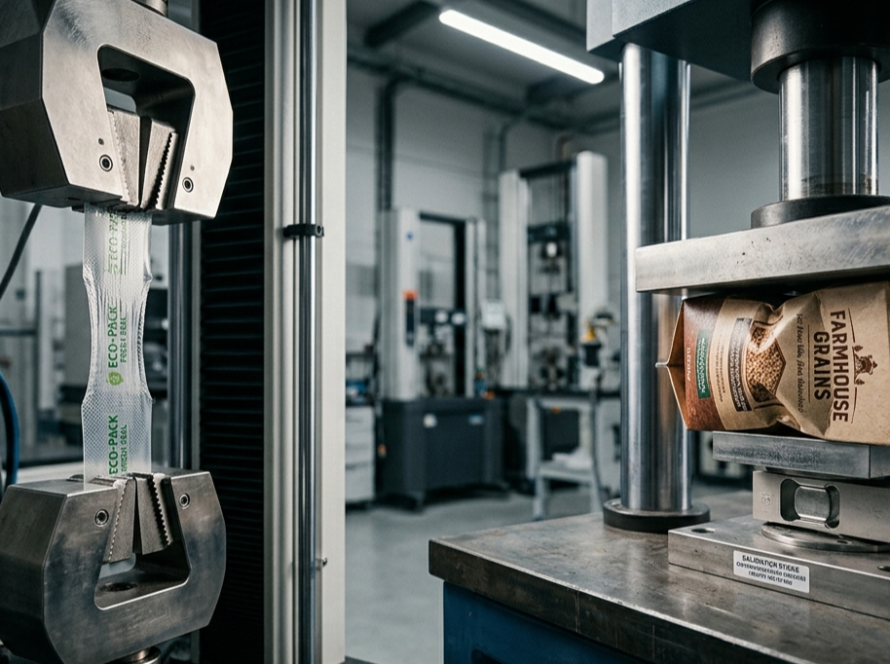
Compression testing measures how much vertical pressure packaging can tolerate during stacking and transport. This helps determine whether the material can safely protect products without increasing packaging costs through unnecessary over-specification.
Seal Integrity Testing
Peel testing evaluates the strength of package seals and determines how easily consumers can open the packaging. This is especially important for ready-to-eat products, convenience foods, and consumers who may require easy-open solutions.
Tensile Strength Evaluation
Tensile testing ensures that flexible materials maintain adequate strength and durability during handling, transportation, and storage.
Surface Friction and Machine Compatibility
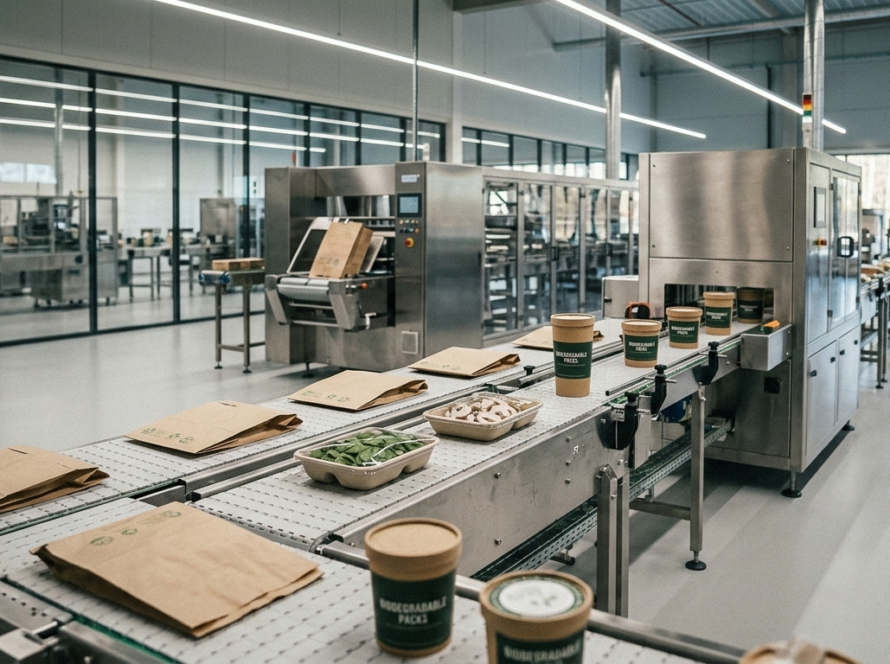
The coefficient of friction is a key factor for packaging materials used on high-speed packaging lines. Packaging films must move smoothly across equipment surfaces without slipping excessively or causing jams in the production process.
Barrier Properties and Product Protection
One of the most important technical considerations when selecting plastic packaging alternatives is barrier performance. Packaging must protect food products from oxygen, moisture, and external contaminants that can reduce shelf life.
Manufacturers evaluate these properties through measurements such as:
• oxygen transmission rates
• water vapor transmission rates
• gas permeability under different storage conditions
These factors are particularly critical for products packaged using modified atmosphere or vacuum packaging technologies.
Temperature and Environmental Conditions
Another essential consideration when implementing plastic packaging alternatives is the temperature range that packaging will encounter during processing, storage, and distribution.
Packaging materials must perform consistently under conditions such as:
• heat exposure during cooking or reheating processes
• refrigeration or freezing environments
• long-distance export to regions with different climates
• varying humidity levels during storage and transport
Different materials react differently to temperature changes, which means manufacturers must validate their packaging performance under realistic operating conditions.
Building a Sustainable Packaging Strategy
Adopting plastic packaging alternatives is not simply a material replacement decision. It requires a strategic approach that balances sustainability, product protection, regulatory compliance, and production efficiency.
Food manufacturers must evaluate:
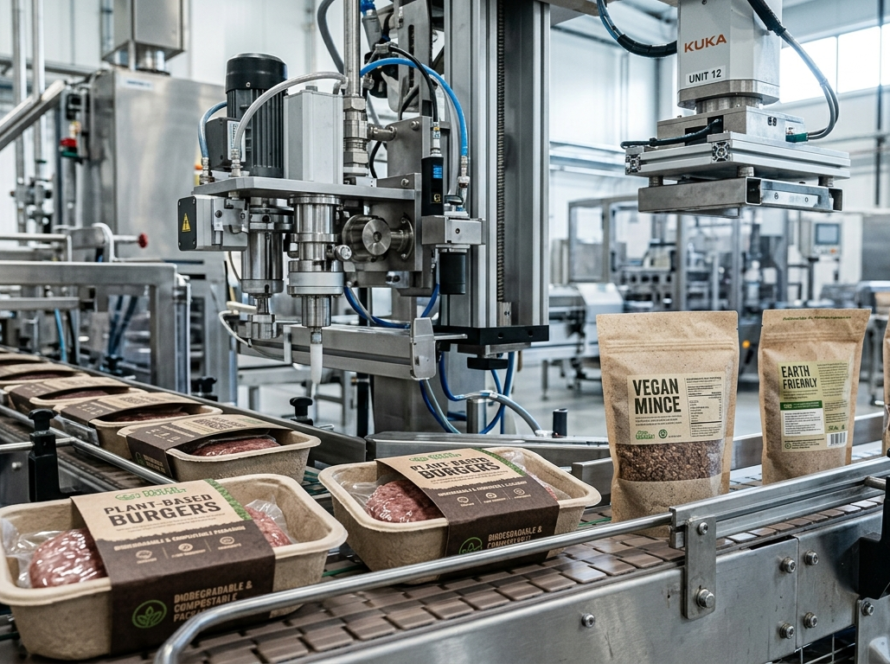
• compatibility with existing packaging lines
• material availability and supply chain stability
• environmental impact and recyclability
• consumer perception and brand positioning
A well-designed transition strategy ensures that plastic packaging alternatives support both environmental goals and operational reliability.
Conclusion
The transition toward plastic packaging alternatives is becoming an increasingly important priority across the food industry. By carefully evaluating materials, testing packaging performance, and optimizing production processes, manufacturers can implement solutions that reduce environmental impact without compromising product quality or supply chain efficiency.
Start today with a comprehensive technical evaluation of your production line. Contact ProNano and transform your industrial production systems into disciplined, stable, and scalable manufacturing operations.
Read more about Modern Packaging Technologies.