

In today’s industrial food landscape, producing more is no longer the sole goal. Manufacturers must balance efficiency with stability, safety, and consistent quality. At ProNano, we have worked closely with food producers and observed firsthand how Modified Atmosphere Packaging can serve as a pivotal element in achieving these objectives.
Understanding Modified Atmosphere Packaging
Modified Atmosphere Packaging (MAP) is the process of altering the gaseous environment surrounding a food product inside its package. By carefully adjusting oxygen, carbon dioxide, and nitrogen levels, MAP slows down chemical reactions, microbial growth, and enzymatic activity that lead to spoilage. This technique does not change the product itself but manages the environment around it, offering manufacturers control over product life and quality.
MAP is highly product-specific. A gas mixture designed for fresh meat will not work for fresh-cut vegetables or bakery items. This specificity is why manufacturers must combine technical expertise with a deep understanding of the product’s biological and chemical behavior.
Practical Applications of MAP in Production Lines
In our consulting work, we have seen MAP applied across a wide range of products. Each application requires precise consideration of the product’s characteristics and the desired outcomes:
• Fresh meats: Reducing oxygen prevents oxidation, preserves natural color, and slows the growth of aerobic bacteria. Carbon dioxide levels are carefully monitored to inhibit spoilage organisms.
• Fresh-cut fruits and vegetables: Slight oxygen levels are maintained to avoid anaerobic fermentation, while nitrogen supports package structure and prevents physical collapse.
• Bakery and snack items: Moisture retention and oxidation control help maintain texture and flavor for longer shelf life without introducing preservatives.
• Ready-to-eat meals: Balanced gas mixtures extend freshness while supporting safe storage and transportation.
A practical example comes from a mid-sized salad processing plant. Pre-packaged leafy greens were experiencing inconsistent shelf life during distribution. By analyzing respiration rates and microbial sensitivity, we redesigned the MAP protocol. The result was a 40% increase in average shelf life, reduced waste, and improved consistency for retailers and consumers. This demonstrates how MAP is not just packaging—it is an active tool in managing production outcomes.
Technical Considerations for Implementation
Implementing MAP requires attention to several key technical factors:
Gas Composition and Product Compatibility
The correct mixture is essential for effectiveness:
• Each product has unique oxygen and carbon dioxide requirements.
• Gas ratios must be adjusted for storage duration and distribution conditions.
• Continuous monitoring ensures stability throughout shelf life.
Packaging Material and Barrier Properties
The packaging itself is critical:
• Films must have permeability rates suited to the product.
• High-barrier materials help maintain the atmosphere over time.
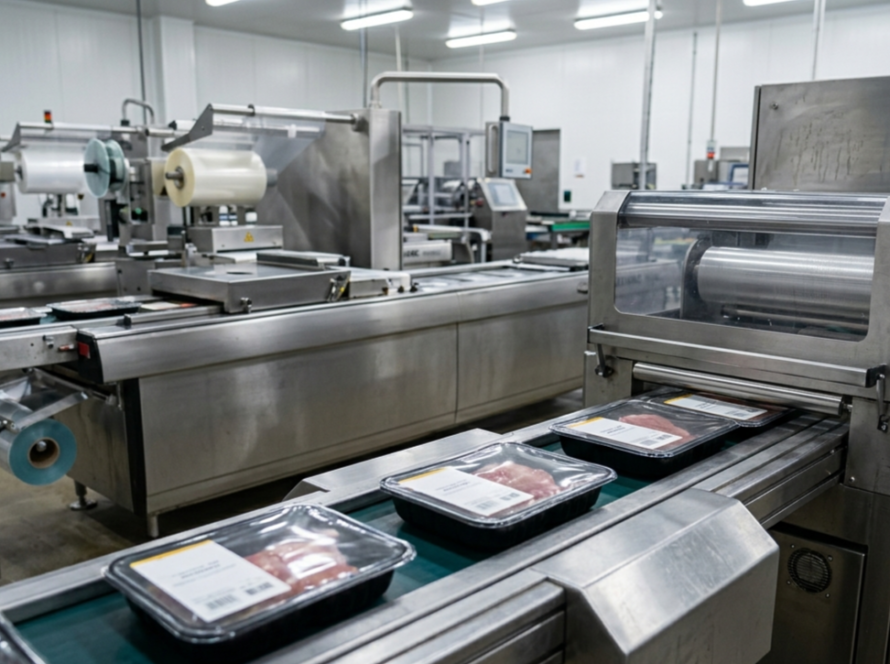
• Sealing processes must be precise to avoid leaks and maintain quality.
Integration with Production Systems
MAP must be coordinated with the broader manufacturing process:
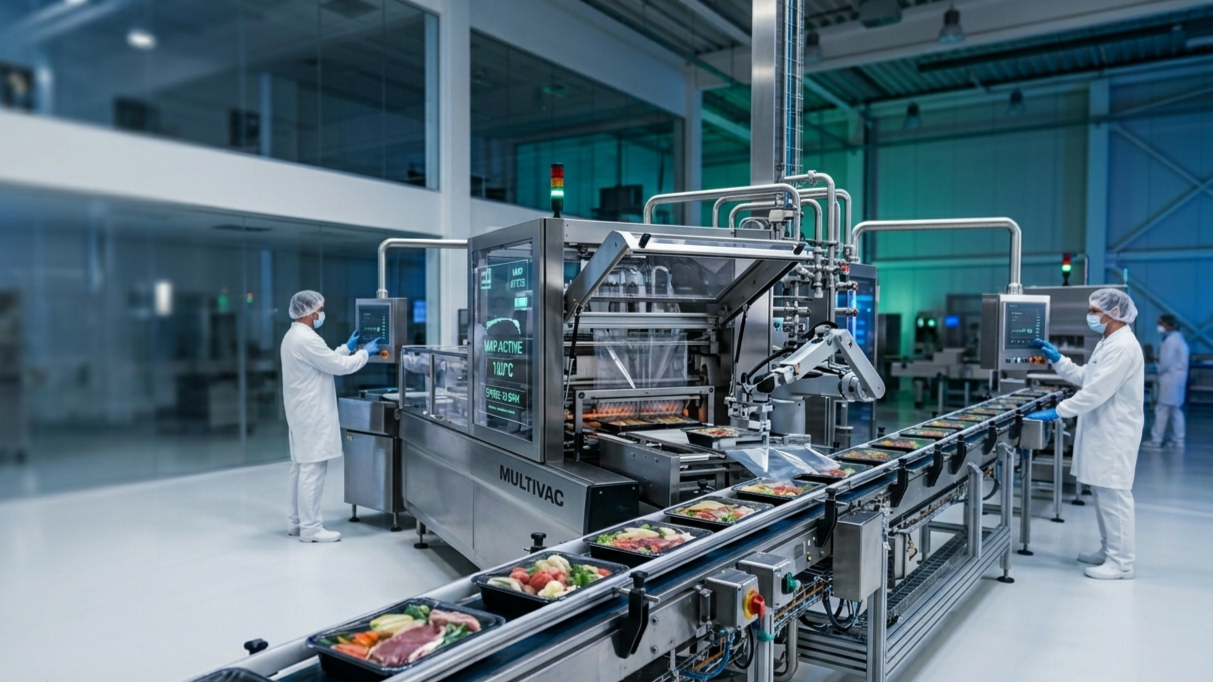
• Packaging machinery should be synchronized with production lines.
• Quality control checks must verify gas composition and seal integrity.
• Temperature control across production, storage, and distribution is essential.
At ProNano, we emphasize integrating MAP into overall production strategy rather than treating it as an isolated step. This alignment ensures consistent product quality and minimizes operational risks.
Industrial Benefits of MAP
Beyond extending shelf life, MAP offers multiple advantages for manufacturers:
• Waste reduction: Fewer spoiled products translate into lower costs.
• Operational efficiency: Predictable shelf life improves production planning and logistics.
• Market expansion: Extended product stability allows access to remote and international markets.
• Sustainability: Reducing product loss supports environmental goals and corporate responsibility.
In one of our bakery projects, implementing MAP allowed the factory to distribute bread products to distant regions without compromising texture or freshness. This demonstrated how MAP provides both strategic and operational benefits, not merely longer shelf life.
Safety and Risk Management
MAP also requires careful attention to food safety:
• Low oxygen environments can favor anaerobic pathogens if not properly controlled.
• Understanding microbial behavior and continuous monitoring are essential.
• Staff training is crucial to maintain process integrity and safety compliance.
Our consulting approach addresses these risks, ensuring that MAP is applied safely and effectively, fully aligned with quality assurance and regulatory standards.
Integrating MAP into Modern Food Production Strategies
Successful MAP integration involves more than packaging; it interacts with the entire production and distribution chain:
• Coordinating with automated production lines improves repeatability.
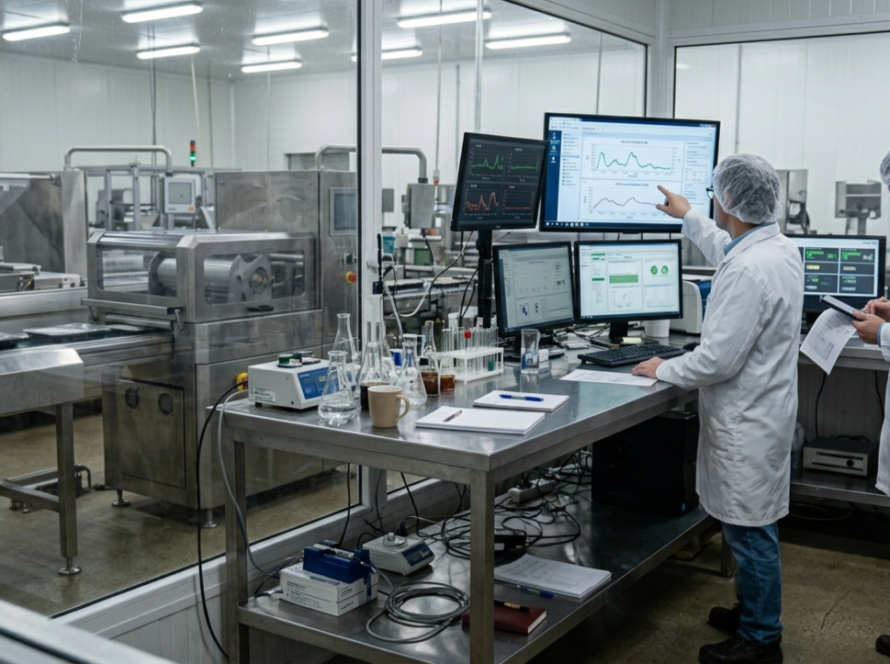
• Real-time monitoring and data collection allow early detection of anomalies.
• Linking MAP protocols with quality management systems ensures consistent product performance.
MAP can be particularly transformative when combined with other production innovations, such as humidity control, temperature monitoring, and optimized logistics. In each case, MAP serves as both a stabilizing factor and a strategic advantage.
Conclusion
Modified Atmosphere Packaging is a crucial tool for modern food manufacturers. When applied with precision, it enhances product stability, extends shelf life, reduces waste, and strengthens operational control. At ProNano, we work closely with manufacturers to evaluate existing processes, design tailored MAP protocols, and integrate them into production lines effectively.
If your goal is to improve product quality, extend shelf life, and optimize production efficiency, exploring Modified Atmosphere Packaging with expert guidance is a practical and strategic step. Contact ProNano today to assess your lines and implement solutions that bring measurable results.
Read more about: Understanding and Maximising Drinks Shelf-Life.