 العربية
 English
 Türkçe
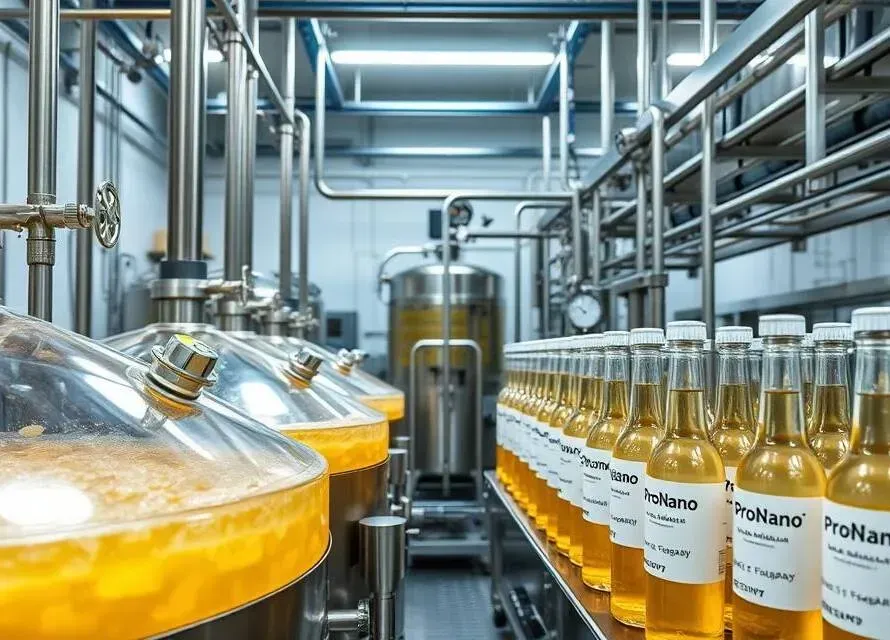
The vinegar industry plays an essential role in food production worldwide. Few ingredients match the versatility and distinctive taste of vinegar, an indispensable element across diverse culinary traditions. Its importance extends from household kitchens to large-scale industrial applications, making it a cornerstone of the global vinegar industry. At ProNano, we recognize the value of vinegar and its diverse culinary applications. The global market is projected to reach $10.8 billion by 2026. The vinegar industry is expanding rapidly, driven by rising demand for natural, wholesome food products.
Our team is committed to helping businesses succeed. We deliver expert consulting and work closely with clients to ensure project success, from initial concept to full operational commissioning.

Key takeaways:
The vinegar industry is experiencing rapid global growth, fueled by strong demand for natural, healthy food products.
Expert consulting is essential for companies aiming to thrive in this competitive market.
Collaborative partnerships provide end-to-end support, from planning through execution.
Growth across the vinegar industry is driven by vinegar's widespread applications in food preparation and preservation.
Slow fermentation techniques – Traditional methods develop complex flavor profiles but require substantial time and expertise.
Industrial fast-production methods – Modern processes emphasize speed and throughput while maintaining high quality.
Artisanal approaches – Rising demand for specialty vinegars that are distinctive and premium fuels artisanal production.
Businesses can leverage strategic planning to capture value from projected growth trends.
The rich history of vinegar: from ancient civilizations to the modern era
Vinegar has held a central place in culinary traditions for thousands of years. Valued for preservation and wellness benefits alongside flavor, it has anchored its role across cultures and shaped the vinegar industry over the centuries.
Discovery of vinegar and early uses
Vinegar first appeared around 5000 BCE in regions such as Babylon and Egypt, occurring naturally through the fermentation of alcohol. Historically, it was used to preserve food, elevate taste, and promote health.
Evolution of vinegar across diverse cultures
As civilizations expanded and trade networks developed, vinegar production techniques spread worldwide. Each region developed distinctive vinegar varieties using local raw materials and traditional practices. This cultural diversity helped establish today's global vinegar industry, shaping production standards and consumption patterns worldwide.
Vinegar traditions in the Middle East
In the Middle East, vinegar has been a dietary staple for centuries. Commonly used in salads, marinades, and sauces, it is also valued as a health-promoting ingredient. Traditional production methods have long shaped the distinctive flavor profiles of Middle Eastern cuisine.
At ProNano, we honor the rich history and cultural value of vinegar, combining time-tested practices with cutting-edge approaches in food technology and modern manufacturing.
Understanding the global vinegar industry today
The global vinegar industry continues to expand, driven by consumer demand for natural, health-oriented foods. ProNano helps businesses interpret these trends, identify commercial opportunities, and secure a competitive foothold in the global vinegar industry.
Market size and growth projections
The vinegar market is projected to expand globally at a CAGR of 4.4% from 2025 to 2034. Our team provides customized consulting to help businesses navigate this growing market and optimize strategies for long-term success.
Key production regions
Major vinegar-producing regions include the United States, Europe, and Asia, which dominate the global vinegar industry through well-established manufacturing and distribution networks.

Market opportunities in Syria and the Middle East
Syria and the wider Middle East present significant opportunities for the vinegar industry. Targeted investments in these markets can strengthen competitive positioning, capitalizing on rich culinary heritage and an expanding food sector. Traditional Syrian dishes—such as pickled vegetables, fattoush, and various marinades—rely heavily on vinegar for flavor and preservation. This enduring application highlights the cultural importance and commercial upside for the vinegar industry across the region. With rising demand for natural, clean-label ingredients, regional processors have an ideal opening to expand portfolios, meet modern consumer preferences, and access export markets throughout the Middle East.
How ProNano analyzes market opportunities
We evaluate market trends, production capacities, and distribution channels to identify strategic commercial opportunities. Our solutions are custom-tailored to the vinegar industry, helping businesses align with market demand. Vinegar manufacturing
The science behind vinegar production
Vinegar manufacturing is a remarkable process that converts ethanol into acetic acid, creating vinegar's signature tart acidity. Optimizing these biochemical reactions ensures consistently high product quality.
The fermentation process
Specialized bacteria convert ethanol into acetic acid through fermentation. Precise process control guarantees consistent operations and premium vinegar quality.
Key chemical reactions
Critical stages involve converting ethanol to acetaldehyde, which is then oxidized into acetic acid. Understanding these reaction pathways enables processors to maintain rigorous quality control.
Quality control procedures
|
Quality control procedure |
Description |
Importance |
|---|---|---|
|
Fermentation monitoring |
Regular tracking of fermentation progress |
High |
|
Temperature control |
Maintaining optimal operating temperatures |
High |
|
pH level adjustment |
Adjusting acidity to optimize fermentation |
Medium |
|
Contaminant testing |
Detecting impurities that compromise product quality |
High |
We collaborate with industry partners across Turkey, the Gulf, and Europe, leveraging our global network to elevate vinegar production standards.
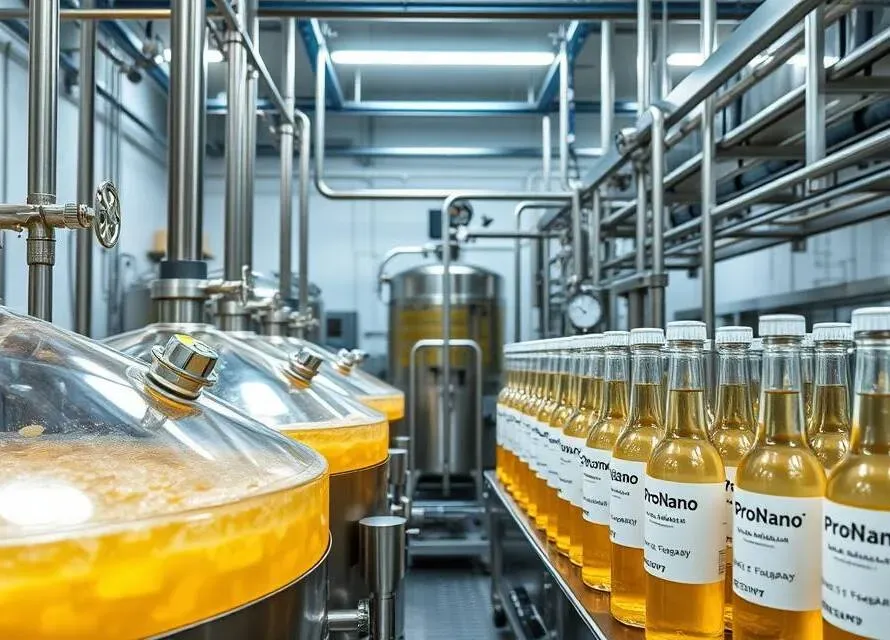
Traditional vs. modern vinegar manufacturing methods
Today's processors evaluate both traditional and modern production methods, each offering specific operational advantages:
Slow fermentation techniques – Traditional methods build complex, nuanced flavor profiles but require extensive time and technical mastery.
Industrial fast-production methods – Modern commercial processes maximize throughput and volume while maintaining consistent quality.
Artisanal approaches – Growing market demand for specialty vinegars that offer distinct flavor and premium positioning supports small-batch artisanal production.
At ProNano, we guide clients toward the optimal production setup, striking the ideal balance between operational efficiency and product quality.
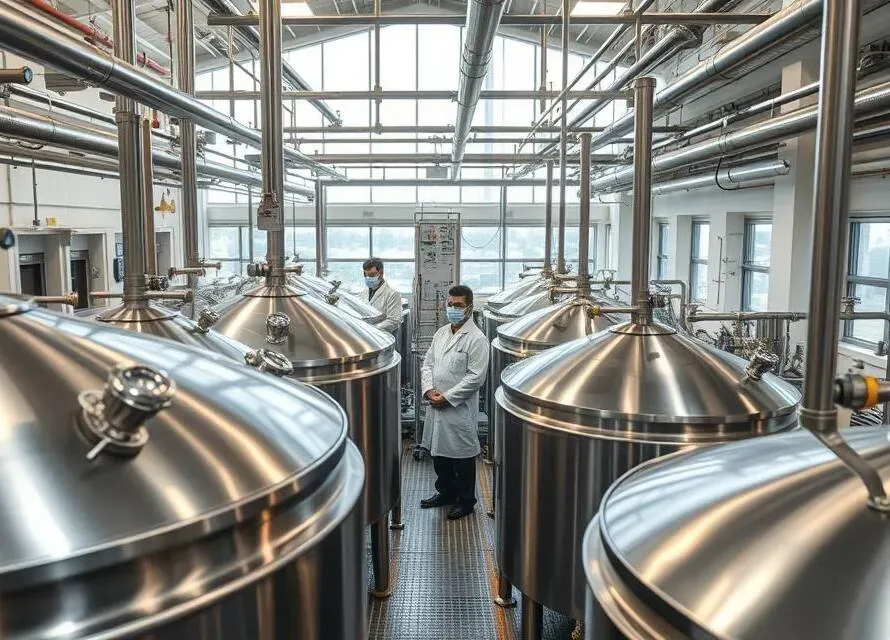
Exploring diverse vinegar varieties
Reflected across vinegar varieties both global diversity and culinary distinctiveness:
Apple cider vinegar – fruity and tangy, renowned for its health benefits.
Balsamic vinegar – rich, sweet and tangy, ideal for Mediterranean cuisine.
Wine vinegar – red or white, with a flavor that varies depending on the wine used.
Rice vinegar – mild and subtly sweet, essential in Asian cooking.
Date vinegar – a Middle Eastern specialty made from dates, adding nutritional value and flavor.
|
Vinegar type |
Primary use |
Flavor profile |
|---|---|---|
|
Apple cider vinegar |
Culinary and wellness |
Fruity, tangy |
|
Balsamic vinegar |
Culinary |
Rich, sweet and tangy |
|
Wine vinegar |
Culinary |
Tangy, fruity |
|
Rice vinegar |
Asian cuisine |
Mild, sweet |
|
Date vinegar |
Middle Eastern cuisine |
Sweet, fruity |
Nutritional and health benefits of vinegar
Offering notable value, vinegar delivers significant nutritional and health benefits:
- It is low in calories and rich in acetic acid, containing antioxidants, potassium, and essential minerals.
Digestive health
Aiding digestion, vinegar supports food breakdown and eases indigestion.
Blood sugar management
Acetic acid helps regulate blood sugar by slowing carbohydrate digestion and improving insulin sensitivity.
Weight management
It promotes satiety and can reduce overall calorie intake.
As a trusted partner, ProNano ensures that clients understand the nutritional value of vinegar and develop products that meet consumer expectations.
Culinary applications: vinegar in global cuisines
Enhancing culinary profiles, vinegar elevates flavor across diverse culinary traditions:
Mediterranean cuisine – balsamic vinegar adds rich depth to salads and sauces.
Asian cuisine – rice vinegar is essential for sushi and dressings.
Modern culinary arts – vinegar is used creatively in desserts and flavor balancing.
Traditional Syrian dishes – pickles and salads rely on vinegar for flavor and crispness.
Beyond the kitchen: industrial and household uses of vinegar
Proving highly functional, vinegar demonstrates remarkable versatility beyond culinary applications:
Cleaning and disinfection
Effective against bacteria and germs, it serves as an eco-friendly, non-toxic alternative for surface cleaning.
Agricultural applications
It controls pests and weeds while improving soil health.
Preservation techniques
It preserves food freshness through pickling and canning.
Through technical consulting, ProNano guides clients in exploring innovative industrial and household applications for vinegar.
Setting up a vinegar production plant
Establishing a vinegar production plant requires sound planning, the right equipment, and regulatory compliance:
Essential equipment – fermentation tanks, filtration systems, and storage facilities.
Regulatory compliance – food safety and quality standards, along with environmental regulations.
Capacity planning – to ensure production meets market demand efficiently.
With engineering expertise, ProNano optimizes plant design, combining industry best practices with client needs to maximize efficiency and productivity.
Challenges and opportunities in the vinegar industry
Raw material sourcing
Fluctuations in crop yields and prices impact production costs and quality, making strategic supply chain management essential.
Market competition and differentiation
Standing out in a competitive market demands unique products and effective marketing.
Emerging market opportunities
Syria and the broader Middle East show rising demand for natural, healthy food products, creating lucrative opportunities for local manufacturing.
To support manufacturers, ProNano delivers tailored advisory services to address these challenges and capitalize on opportunities.
ProNano: your expert partner in the vinegar industry
Drawing on deep sector knowledge, ProNano provides specialized expertise and comprehensive support across the vinegar industry:
Food technology expertise – advanced solutions tailored to production needs.
Comprehensive support – market analysis, plant design, production planning, and operational guidance.
Customized solutions – tailored strategies developed for every vinegar product.
Success stories and case studies
Our track record speaks for itself. We have helped numerous clients achieve their operational and commercial goals across the vinegar industry. Here are a few highlights:
|
Project |
Outcome |
ROI |
|---|---|---|
|
Vinegar plant setup |
Successful commissioning within 6 months |
25% increase in production capacity |
|
Quality control implementation |
Enhanced product quality and reduced waste |
15% cost savings |
Project implementation timeline
We work with our clients to establish realistic timelines, ensuring all milestones are met and deadlines honored. Vinegar manufacturing
Return on investment analysis
Our team conducts comprehensive ROI analyses to help clients see the financial returns on their investments in vinegar manufacturing.
Conclusion: embracing innovation
The global vinegar industry is poised for growth. Businesses that understand market trends, adopt innovative practices, and leverage expert guidance can thrive. ProNano supports clients from concept to full operation, helping them lead in this expanding sector.
Frequently asked questions:
What is driving the growth of the global vinegar industry?
Growing demand for natural, healthy foods and versatile culinary applications.
Which types of vinegar are the most popular?
Apple cider vinegar, balsamic vinegar, wine vinegar, and rice vinegar.
How is vinegar produced?
Through the fermentation of sugars into acetic acid.
What are the health benefits of vinegar?
It supports digestion, blood sugar regulation, and weight management.
What is essential when setting up a vinegar plant?
Proper equipment, regulatory compliance, and production capacity planning.
How can businesses stand out?
By offering unique, high-quality vinegar products.
What is the role of ProNano?
Providing expertise, guidance, and comprehensive support for businesses in vinegar manufacturing.
Are there emerging market opportunities?
Yes, especially in Syria and the Middle East.
Can vinegar be used beyond cooking?
Yes, for cleaning, agriculture, and food preservation.
If you are interested in investing in vinegar manufacturing or developing your own vinegar products, the team at ProNano Food Manufacturing Consultancy provides specialized consulting services to guide you at every stage. From selecting the right equipment to optimizing the production process, ProNano helps you succeed in this expanding sector. You can contact us for customized consulting tailored to your operational needs and business goals.
Read more about the jam manufacturing project
Related service
Tailored Health and Nutrition ProductsTailored Health and Nutrition Products The food industry is undergoing an unprecedented transformation today, with demand rising to record levels for tailored health and nutrition products that meet precise health needs…