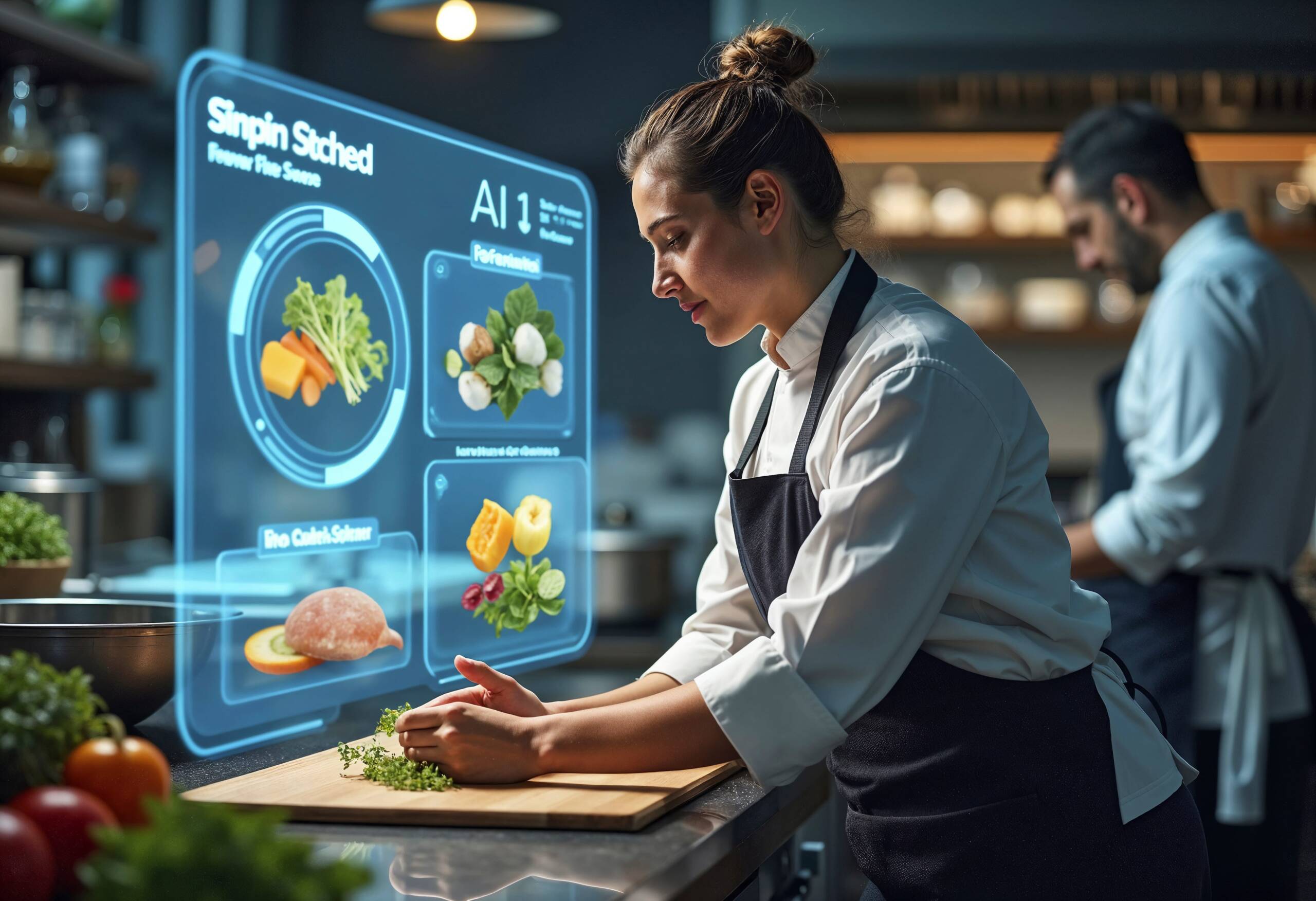
In the world of rapid development, technology has become an integral part of our daily life, and the kitchen is no exception. smart kitchen is a luxury. It has become an effective tool to improve life and increase time and effort
:Smart kitchen for a more perfect and easier life
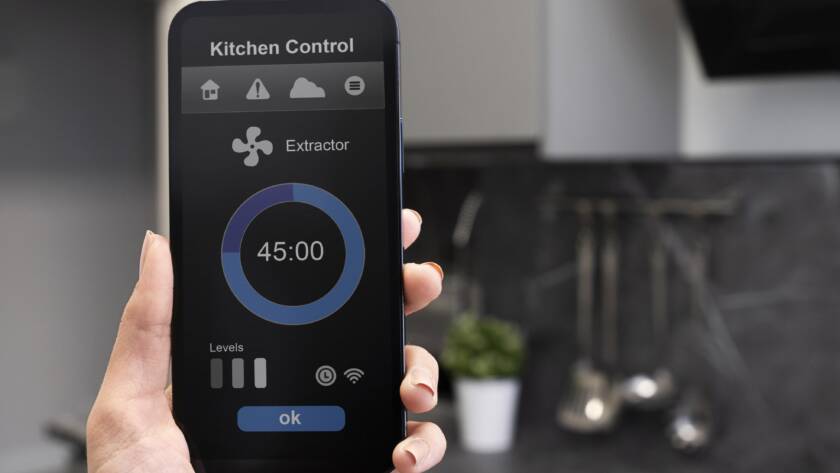
Smart kitchen is a modern concept based on the use of technology and artificial intelligence in kitchen tools and appliances, allowing them to be controlled remotely or through voice commands. These devices can be connected to smartphones or built-in home systems, such as Google Home or Amazon Alexa
The most prominent features of the smart kitchen:
1_ Remote control: You can turn the oven on or off using the phone application.
2_ Energy efficiency: Most devices are designed to be energy efficient.
3_ Smart scheduling: Set cooking appliances to operate automatically at specific times.
4_ Safety: Smart sensors detect malfunctions or leaks and issue immediate alerts.
5_ Automatic cooking assistance: Some devices provide recipes and suggest ingredients based on what you have available.
Discover the most prominent smart kitchen appliances to transform your kitchen into a smart space:
1_ Smart refrigerators
They have touch screens, internal cameras, and the ability to connect to shopping apps or track product expiration dates.
2_ Smart ovens.
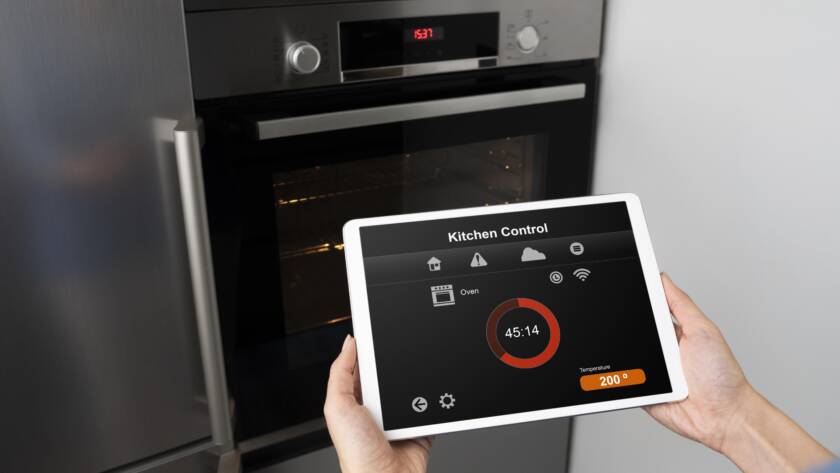
They allow you to schedule run times and control the temperature from your phone. Some of them are even able to automatically identify types of food.
3_ Voice assistants.
Enable users to operate appliances, set timers, or inquire about recipes hands-free.
Internet-connected cooking appliances, such as smart pressure cookers or air fryers, whose performance can be monitored via dedicated apps.
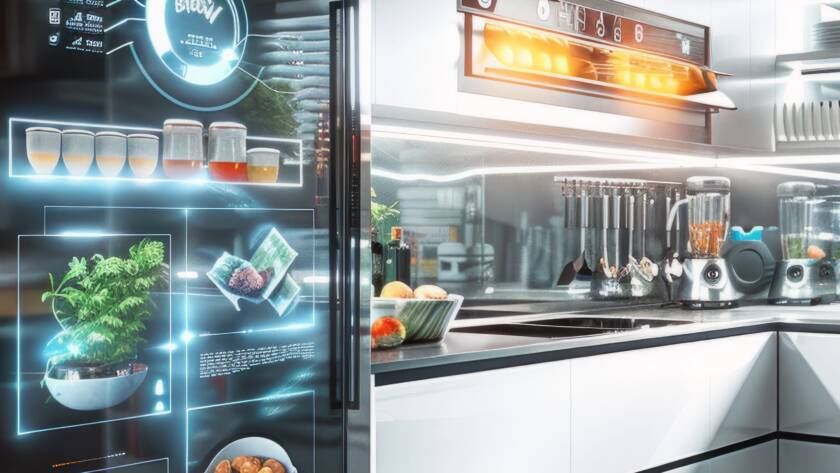
How do smart sensors help save energy and improve the cooking experience?
Smart sensors play a pivotal role in the development of modern kitchen appliances, enabling them to intelligently interact with their surrounding environment to improve performance and ease of use. These sensors rely on advanced technologies to monitor temperature, humidity, object movement, and even the air quality inside the kitchen. For example, smart ovens use sensors to accurately measure food temperature, ensuring even cooking without constant monitoring. Smart refrigerators utilize humidity sensors to keep fruits and vegetables fresh for longer periods, and motion sensors detect door openings and automatically turn off lights to save energy. Sensors also contribute to enhanced safety, such as gas and smoke sensors that send instant alerts to your phone in the event of a leak, increasing home security. The kitchen becomes more efficient, safer, and more convenient for a modern lifestyle, with an advanced cooking and storage experience that meets all needs.
Benefits of Smart Kitchen Technology:
Adopting smart appliances isn’t just a luxury; it offers real benefits:
1. Saving time: Appliances operate efficiently without the need for constant monitoring.
2. Reducing waste: Monitoring ingredients helps reduce excess quantities.
3. Improving cooking quality: Cooking becomes more precise and easier.
4. Improving hygiene: Many appliances operate with one touch or voice commands, reducing direct contact.
The Smart Kitchen in the Age of Advanced Technology:
The smart kitchen is one of the most prominent features of technological development in modern homes. Although its journey is still in its infancy, it opens up vast horizons for a more integrated and comfortable cooking experience. Some smart appliances may require an initial financial investment, but this investment is more than offset by long-term savings in time, effort, and energy. Furthermore, the need for internet connectivity enables these appliances to be continuously updated and integrated with smart home systems, enhancing their efficiency. Software updates are an important factor in developing functionality and enhancing the user experience. As technology advances, these challenges become opportunities for improvement and development, making the smart kitchen a promising and suitable option for the future of home life.
How can we help you adopt smart kitchen solutions?
At our food consulting company, we help individuals, restaurants, and food companies choose the best technologies that suit their needs and budgets. We offer:
1. Customized feasibility studies before investing in smart appliances.
2. Plans to transform a traditional kitchen into a smart kitchen.
3. Training on the use of advanced systems and devices.
4. Technical support and periodic follow-up to ensure efficient performance.
The role of artificial intelligence in developing smart kitchen:
Artificial intelligence (AI) is the cornerstone of smart kitchen technology, enabling appliances to learn from user habits and automatically suggest the best settings. For example, a smart oven can identify recurring patterns in cooking times and ideal temperatures, which helps improve cooking quality and reduce errors.AI algorithms also allow personalized recommendations to be made to users, based on their dietary preferences or health needs, making the cooking experience more personalized and intelligent.
The future of smart kitchen in restaurants and food establishments:
Smart kitchen applications are no longer limited to homes, but have extended to include central kitchens in restaurants, hotels, and food factories. Digital transformation in commercial kitchens contributes to increasing work efficiency, as smart monitoring systems help accurately track temperatures and ensure adherence to food safety standards. Smart cooking appliances can also be integrated with resource planning software(ERP) to synchronize cooking settings with food production schedules. This development improves operational efficiency, reduces food waste, and achieves a consistent cooking experience across scale.
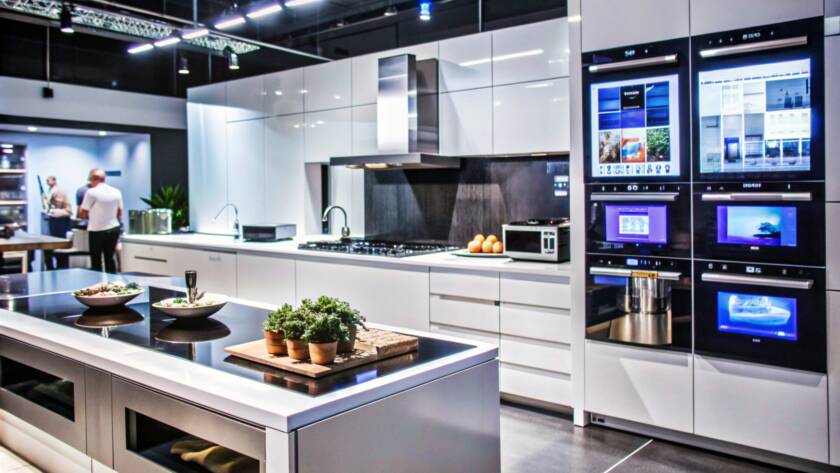
The importance of integrating the smart kitchen with smart home systems:
The real power of a smart kitchen lies in its integration with the rest of the smart home systems, such as lighting, security, and voice control. When you connect smart kitchen appliances to voice assistants like Alexa or Google Assistant,Multitasking can be performed without touching any device, increasing convenience and efficiency. Integration with a solar power system or energy control also contributes to additional savings in the long term, especially in sustainable smart homes.
Smart kitchen and its impact on sustainability and the environment:
Sustainability in a smart kitchen is not just an added bonus, it has become a basic requirement. Thanks to water-saving devices, intelligent electricity control, and precise monitoring of food stocks, a smart kitchen can reduce environmental and financial waste. Smart refrigerators also effectively contribute to reducing food spoilage through expiration alerts, which promotes responsible consumption.
Challenges of adopting smart kitchen technology and how to overcome them:
Despite the many benefits,However, switching to a smart kitchen may face some challenges, such as a high initial cost or the need for a constant Internet connection. However, the investment can be planned gradually according to the size of the kitchen and the needs of the user. Our company also helps provide comprehensive feasibility analysis and flexible relocation plans to reduce these obstacles. Support for software updates and ongoing training are also important factors in ensuring maximum benefit from this technology.
Contact us now! If you’re considering moving into the world of smart kitchens or want to learn more about the technologies that are right for you, our experts are ready to provide full support. Contact us
Read more about the benefits of a central kitchen in restaurants.